 Trustpilot



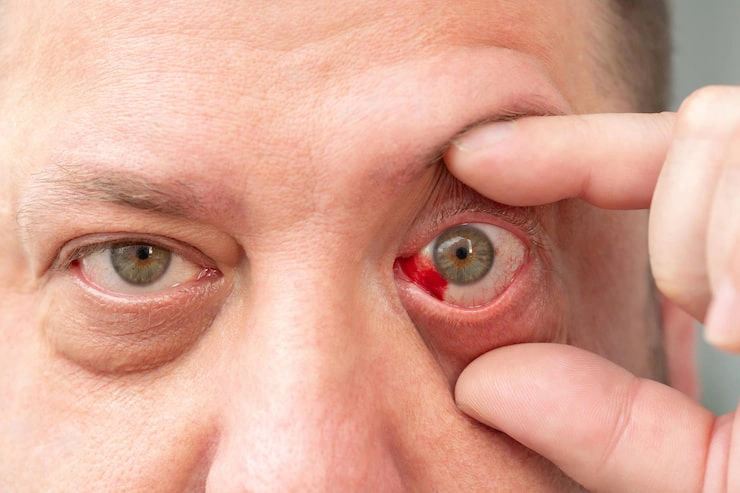
Redness in the eye is common and often temporary. However, when a red eye does not improve after a few days, it may signal an underlying condition that needs medical attention. Persistent redness can be caused by infections, inflammation, dryness, or more serious eye diseases.
Understanding the possible causes and knowing when to seek help is essential to protect your vision.
What Causes a Red Eye That Won’t Go Away?
The white part of the eye (sclera) is covered by a thin layer called the conjunctiva. When blood vessels in this layer become enlarged or inflamed, the eye appears red.
Below are the most common reasons for persistent eye redness.
1. Chronic Conjunctivitis (Pink Eye)
Conjunctivitis is inflammation of the conjunctiva and may be:
- Viral
- Bacterial
- Allergic
Symptoms:
- Persistent redness
- Discharge (watery or thick)
- Itching or irritation
- Crusting around eyelids
Treatment:
- Antibiotic drops (for bacterial cases)
- Antihistamine drops (for allergies)
- Lubricating drops for viral irritation
If redness lasts more than a week, a medical evaluation is recommended.
2. Dry Eye Disease
Chronic dry eye can cause ongoing redness due to tear film instability.
Symptoms:
- Burning or gritty sensation
- Fluctuating vision
- Sensitivity to light
- Eye fatigue
Treatment:
- Artificial tears
- Prescription anti-inflammatory drops
- Lifestyle changes (reduced screen time, humidifier use)
Dry eye is a common cause of redness that persists for weeks.
3. Blepharitis
Blepharitis is inflammation of the eyelid margins and can cause recurring redness.
Symptoms:
- Crusty eyelids
- Swelling
- Itching
- Watery eyes
Treatment:
- Warm compresses
- Eyelid hygiene
- Medicated drops or ointment if needed
4. Uveitis (Serious Inflammation)
Uveitis is inflammation inside the eye and requires urgent treatment.
Symptoms:
- Deep eye pain
- Light sensitivity
- Blurred vision
- Persistent redness
Treatment:
- Steroid eye drops
- Anti-inflammatory medication
- Treatment of underlying systemic disease
This condition should not be ignored.
5. Glaucoma (Acute Angle-Closure)
Though rare, sudden severe redness with pain and vision changes can indicate acute glaucoma.
Symptoms:
- Severe eye pain
- Headache
- Nausea
- Halos around lights
6. Corneal Ulcer or Infection
A corneal infection can cause persistent redness and pain.
Symptoms:
- Sharp pain
- Sensitivity to light
- White spot on the cornea
- Vision changes
Immediate medical treatment is necessary.
7. Contact Lens Overuse
Wearing contact lenses for too long or improper hygiene can cause irritation and redness that does not resolve.
Treatment:
- Stop wearing lenses temporarily
- Use prescribed antibiotic or lubricating drops
- Follow strict hygiene practices
When Should You See an Eye Doctor?
Seek medical attention if redness is accompanied by:
- Pain
- Vision changes
- Light sensitivity
- Thick discharge
- Symptoms lasting more than 3–5 days
- Recent eye injury
Persistent red eye should never be self-treated with over-the-counter redness-reducing drops for long periods, as they can worsen the condition.
Diagnosis
An eye specialist may perform:
- Slit-lamp examination
- Eye pressure testing
- Fluorescein staining
- Retinal evaluation
Accurate diagnosis ensures appropriate treatment.
Treatment Options
Treatment depends on the cause but may include:
- Antibiotic eye drops
- Anti-inflammatory medication
- Lubricating artificial tears
- Allergy treatment
- Managing underlying systemic disease
Early treatment reduces the risk of complications.
How to Prevent Persistent Red Eye
- Maintain good contact lens hygiene
- Avoid rubbing your eyes
- Limit screen time and take regular breaks
- Protect eyes from dust and pollution
- Manage allergies and dry eye conditions
- Schedule regular eye exams
Conclusion
A red eye that won’t go away is not always harmless. While dryness or allergies are common causes, persistent redness may indicate infection, inflammation, or other serious eye conditions. Prompt evaluation by an eye specialist ensures correct diagnosis and effective treatment.
Protecting your eye health starts with recognizing when redness is more than temporary irritation.eal ulcer blogs

