 Trustpilot



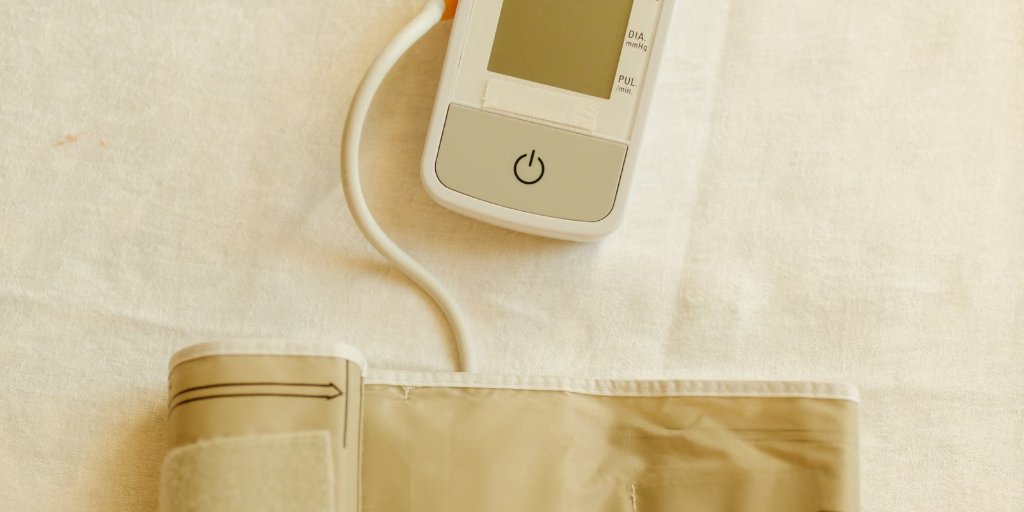
Quick Answer: Can High Blood Pressure Damage Your Eyes?
Yes. High blood pressure, also known as hypertension, can damage the small blood vessels in the retina, the light-sensitive tissue at the back of the eye. This condition is called hypertensive retinopathy. Severe or uncontrolled hypertension can also affect other structures involved in vision and increase the risk of retinal blood vessel blockages. Eye damage may develop without noticeable symptoms at first. Regular blood pressure monitoring, appropriate medical treatment and eye examinations when indicated can help reduce the risk of complications and protect long-term vision.
Introduction
High blood pressure is often called a silent condition because many people have no obvious symptoms. However, when blood pressure remains elevated over time, it can place strain on blood vessels throughout the body, including the delicate vessels that supply the eyes.
The retina plays an essential role in vision. It receives light entering the eye and converts it into signals that travel to the brain. If its blood supply is affected by hypertension, the resulting damage may interfere with vision and, in severe cases, lead to lasting sight problems.
One condition associated with this process is hypertensive retinopathy. It may develop gradually, and early changes are not always noticeable without an eye examination.
Understanding the relationship between blood pressure and eye health is important, particularly for people who have hypertension alongside diabetes, high cholesterol or other cardiovascular risk factors.
This guide explains how high blood pressure can affect the eyes, which symptoms require attention, how eye damage is assessed and what steps may help protect vision.
Key Takeaways
- High blood pressure can damage the small blood vessels in the retina.
- Hypertensive retinopathy may develop without noticeable symptoms in its early stages.
- Severe hypertension can affect the retina, the choroid and the optic nerve.
- High blood pressure may also increase the risk of retinal artery or vein blockages.
- An eye examination can reveal changes that may not yet affect everyday vision.
- Managing blood pressure with appropriate medical care is central to reducing the risk of further damage.
- Sudden vision loss or major changes in vision require urgent medical assessment.
How Does High Blood Pressure Affect the Eyes?
The eyes depend on a network of tiny blood vessels to deliver oxygen and nutrients to their tissues. Persistently high blood pressure places additional stress on these vessels and can cause structural changes that interfere with normal blood flow.
The effects depend on how high the blood pressure is, how long it has remained elevated and whether other health conditions are present.
Damage to retinal blood vessels
The retina contains small arteries and veins that supply its tissues. Over time, hypertension can cause retinal arteries to narrow and their walls to change.
More severe or uncontrolled hypertension can lead to leakage, bleeding or reduced blood supply in parts of the retina. If important areas responsible for central vision are affected, sight may become blurred or distorted.
Effects on the optic nerve
The optic nerve carries visual information from the retina to the brain. Severe hypertension can affect its blood supply and, in some circumstances, cause swelling or other damage.
Damage to the optic nerve can affect vision and requires assessment by an appropriate eye specialist.
Effects on the choroid
The choroid is a layer of blood vessels beneath the retina. In severe cases of hypertension, changes in its blood vessels may interfere with their function and cause fluid to collect beneath the retina.
This can affect the retina’s normal position and function, potentially causing visual disturbance.
Not everyone with high blood pressure develops these complications. However, controlling hypertension is important because eye damage may occur before obvious symptoms appear.
What Is Hypertensive Retinopathy?
Hypertensive retinopathy is damage to the retina associated with high blood pressure. It occurs when elevated pressure affects the small blood vessels supplying this light-sensitive tissue.
An ophthalmologist may identify signs of hypertensive retinopathy during an examination of the back of the eye, even when a patient has not noticed any change in vision.
How does hypertensive retinopathy develop?
The changes can vary according to the severity and duration of hypertension.
Early changes: Retinal blood vessels may become narrower or show changes in their walls. These findings may not cause noticeable symptoms.
More advanced changes: Blood vessels may leak fluid or blood, and parts of the retina may show signs of reduced blood supply.
Severe hypertension: A sudden, substantial rise in blood pressure can cause more serious changes, including swelling of the optic disc or damage involving the retina and choroid. This may be part of a medical emergency.
The presence and extent of retinal changes must be assessed in context. An eye examination alone does not replace a full medical assessment of blood pressure and cardiovascular health.
Can hypertensive retinopathy cause blindness?
Severe retinal or optic nerve damage can lead to lasting vision impairment. The degree of risk depends on the extent of the damage and whether the affected tissues can recover.
Early identification and effective management of blood pressure may help reduce the risk of progression. However, established damage may not always be reversible.
For this reason, people with known hypertension should follow their clinician’s advice about blood pressure monitoring and any recommended eye assessments.
Symptoms of High Blood Pressure-Related Eye Damage
High blood pressure itself often causes no symptoms, and early hypertensive retinopathy may not noticeably affect vision.
When eye damage develops, symptoms can include:
- Blurred vision: Objects may appear less clear than usual.
- Distorted vision: Straight lines or objects may appear altered if the central retina is affected.
- Reduced vision: Sight may become less clear if the retina or optic nerve is damaged.
- Visual disturbances: Changes may occur if blood flow to parts of the visual system is affected.
- Sudden vision loss: A sudden change may indicate a serious problem involving the retina, optic nerve or another part of the visual system.
These symptoms are not specific to hypertension. Other eye conditions can cause similar changes, and sudden symptoms should never be assumed to be caused by blood pressure alone.
Important: Do not wait for symptoms before taking high blood pressure seriously. Damage may develop without obvious warning signs, so blood pressure checks and appropriate medical follow-up remain important.
Other Eye Problems Associated With Hypertension
Hypertension can affect the eyes in several ways. Some complications result directly from damage caused by elevated blood pressure, while others are conditions for which hypertension is a recognised risk factor.
Retinal artery or vein occlusion
A retinal artery or vein occlusion occurs when a blood vessel supplying or draining the retina becomes blocked.
An arterial blockage can interrupt the retina’s blood supply, while a venous blockage may cause blood and fluid to accumulate. Both can affect vision, and some cases can cause significant visual impairment.
Sudden loss of vision in one eye is an emergency and requires immediate assessment.
Hypertensive choroidopathy
In severe hypertension, the blood vessels within the choroid may become damaged. This can affect the tissues beneath the retina and may lead to fluid accumulation or other structural changes.
It is more concerning when associated with a sudden or severe rise in blood pressure.
Optic neuropathy
Severe hypertension can affect the optic nerve, sometimes causing swelling or impaired function. The resulting visual changes depend on the extent and location of the damage.
Diabetic retinopathy
People with diabetes and high blood pressure have additional risks to their retinal health. Managing blood pressure is an important part of reducing the risk of complications associated with diabetes.
Diabetic retinopathy and hypertensive retinopathy are different conditions, although they may occur together.
Glaucoma and age-related eye disease
High blood pressure has been associated with certain other eye conditions, including glaucoma and age-related macular degeneration. However, the relationship is complex, and high blood pressure should not be described as the sole cause of these conditions.
An eye specialist can assess individual risk factors and advise on appropriate monitoring.
Who Is at Greater Risk?
Anyone can develop high blood pressure, and not everyone with hypertension experiences eye complications. The likelihood of damage depends on several factors.
Long-standing or uncontrolled hypertension
Blood pressure that remains elevated over time can place ongoing strain on blood vessels. Severe hypertension can also cause acute damage.
Following the treatment plan agreed with a healthcare professional is important, even when there are no noticeable symptoms.
Diabetes
Diabetes can damage retinal blood vessels independently of hypertension. When both conditions are present, protecting the retina becomes particularly important.
High cholesterol
High cholesterol contributes to cardiovascular and blood vessel disease. Alongside hypertension, it may increase overall vascular risk.
Smoking
Smoking damages blood vessels and increases cardiovascular risk. Avoiding tobacco is an important part of protecting general health.
Previous cardiovascular disease
A history of stroke, heart disease or other vascular problems may affect an individual’s overall risk profile and the monitoring they require.
Other individual factors
Age, family history, kidney disease, medication use and other medical conditions may influence blood pressure management and eye health.
If you have more than one cardiovascular risk factor, ask your GP or treating clinician how frequently your blood pressure should be checked and whether additional eye monitoring is appropriate.
How Is Blood Pressure-Related Eye Damage Diagnosed?
Diagnosis involves examining the eyes and considering the person’s blood pressure history and general health.
Dilated retinal examination
An ophthalmologist may use eye drops to widen the pupils and examine the retina and optic nerve. This allows the clinician to look for narrowing of blood vessels, bleeding, fluid leakage, retinal changes or optic disc swelling.
Retinal photography
Photographs of the back of the eye may be used to document the appearance of the retina. Images can help clinicians compare findings over time when follow-up is needed.
Optical coherence tomography (OCT)
OCT is a non-invasive imaging test that produces detailed cross-sectional images of the retina. It may be used when the clinician needs to investigate swelling, fluid or changes affecting the central retina.
Not every patient requires OCT. The choice of tests depends on the examination findings and symptoms.
Blood pressure assessment
Eye findings may lead to a recommendation for blood pressure measurement or medical review, particularly if hypertension has not previously been diagnosed or controlled.
Your GP or other appropriate clinician may recommend repeat measurements or home monitoring to confirm the blood pressure pattern.
Why are these checks important?
An eye examination can reveal signs of blood vessel damage that might otherwise remain unnoticed. However, it cannot replace blood pressure measurement or a broader medical assessment.
If retinal changes suggest severe hypertension, prompt medical evaluation is important because the underlying problem may affect organs beyond the eyes.
Treatment and Management
Treatment depends on the severity of the blood pressure problem, the extent of any eye damage and whether another eye condition is present.
The central aim is to manage the underlying hypertension and assess any complications that need specific ophthalmic treatment.
Managing blood pressure
A GP or appropriate medical specialist can assess blood pressure and recommend a treatment plan. This may include prescribed medication, lifestyle measures and regular monitoring.
Do not stop, change or adjust prescribed blood pressure medication without advice from the clinician managing your care.
In cases of severe hypertension with signs of acute organ damage, urgent hospital treatment may be required. Blood pressure reduction must be managed carefully by medical professionals.
Monitoring the retina
If retinal changes are present, an ophthalmologist may recommend follow-up examinations to assess whether the condition is stable or progressing.
The timing of follow-up depends on the severity of the findings, symptoms and overall medical situation.
Treating specific complications
Some complications may require additional eye treatment. For example, certain retinal vascular conditions can require specialist monitoring or treatment, depending on the damage and its effect on vision.
There is no single eye procedure that treats every form of hypertensive eye damage. Treatment should be based on the diagnosis and coordinated with appropriate medical care.
Can eye damage be reversed?
Some changes may improve when the underlying blood pressure problem is controlled, but established damage to the retina or optic nerve may be permanent.
The outlook depends on which structures are affected, how severe the damage is and how quickly appropriate treatment begins.
Early medical assessment and consistent blood pressure management offer the best opportunity to reduce the risk of further harm.
How to Help Protect Your Vision
Protecting your eyes starts with managing the health conditions that can damage their blood supply.
Check your blood pressure regularly
High blood pressure often causes no symptoms. Follow NHS or clinician advice on how often to have your blood pressure checked, particularly if you have previously received a diagnosis of hypertension.
Follow your prescribed treatment plan
Take medication as directed and attend recommended appointments. If you experience side effects or have difficulty following the plan, speak to your clinician rather than stopping treatment independently.
Maintain a balanced lifestyle
Depending on your health and circumstances, useful measures may include:
- Eating a balanced diet with attention to salt intake.
- Taking regular physical activity appropriate to your health.
- Avoiding smoking.
- Limiting alcohol in line with NHS advice.
- Maintaining a healthy sleep routine.
- Attending follow-up appointments for blood pressure, diabetes or cholesterol management.
These steps support general cardiovascular health but do not replace prescribed treatment.
Manage diabetes and cholesterol
If you have diabetes or high cholesterol, follow the monitoring and treatment plan recommended by your healthcare team. Managing these conditions alongside hypertension can help reduce the overall risk of blood vessel complications.
Attend appropriate eye examinations
Ask your GP or eye care professional whether you need a retinal examination, especially if you have diabetes, known retinal disease or changes in vision.
Routine eye care should be tailored to your medical history rather than assuming every person with hypertension requires the same examination schedule.
When to Seek Urgent Medical Attention
Some eye symptoms require immediate assessment, regardless of whether you have been diagnosed with high blood pressure.
Seek urgent medical attention if you experience:
- Sudden loss of vision in one or both eyes.
- A sudden, significant deterioration in vision.
- New flashes of light, a sudden increase in floaters or a dark curtain or shadow across your vision.
- Severe eye symptoms accompanied by a sudden or severe headache, confusion, weakness, chest pain or difficulty breathing.
Sudden vision loss and severe neurological or cardiovascular symptoms can indicate a medical emergency. Call 999 for emergency symptoms such as suspected stroke, chest pain or severe breathing difficulty. For urgent eye symptoms without those emergency features, seek immediate eye care or contact NHS 111 if you cannot access an appropriate urgent service.
Do not delay urgent assessment while trying to lower your blood pressure yourself.
Frequently Asked Questions
Can high blood pressure cause blurred vision?
Yes. High blood pressure can contribute to blurred vision when it damages the retina or affects other structures involved in sight. However, blurred vision has many possible causes. Sudden or significant changes in vision need urgent assessment rather than being attributed to blood pressure without an examination.
What is hypertensive retinopathy?
Hypertensive retinopathy is damage to the retina’s blood vessels associated with high blood pressure. It may cause vessel narrowing, bleeding, leakage or reduced blood supply. Early changes may not cause noticeable symptoms, so diagnosis often depends on an examination of the back of the eye.
Can high blood pressure cause permanent vision loss?
Yes, severe or uncontrolled hypertension can cause damage to the retina, optic nerve or retinal blood vessels that may result in permanent vision loss. The outcome depends on the type and severity of the damage. Early medical treatment can help reduce the risk of further complications.
Can you have eye damage from high blood pressure without symptoms?
Yes. Early hypertensive retinopathy may not noticeably affect vision. Some people only become aware of a problem when changes are found during an eye examination or when more advanced damage affects sight. This is one reason blood pressure monitoring and appropriate follow-up are important.
Does lowering blood pressure improve eyesight?
Controlling blood pressure can help reduce the risk of further blood vessel damage. Some changes may improve, but established retinal or optic nerve damage may not be reversible. The effect on vision depends on the underlying condition and the extent of the damage.
How is hypertensive retinopathy diagnosed?
An ophthalmologist can examine the retina and optic nerve, often using dilated eye examination and sometimes retinal photography or OCT imaging. Blood pressure measurements and medical assessment are also important to establish the severity of hypertension and identify any wider health risks.
Should people with high blood pressure have regular eye tests?
People with hypertension should follow their clinician’s advice about eye examinations. The need and frequency depend on factors such as symptoms, the severity of hypertension, diabetes and existing eye disease. An eye examination is particularly important when new visual symptoms develop.
When should I seek urgent help for vision changes?
Sudden vision loss, major deterioration in sight, new flashes or a sudden increase in floaters require urgent assessment. If vision changes occur alongside severe headache, confusion, weakness, chest pain or difficulty breathing, call 999. Do not assume these symptoms are simply the result of high blood pressure.
Conclusion
High blood pressure can affect the eyes by damaging the delicate blood vessels that supply the retina and, in severe cases, other structures involved in vision. Hypertensive retinopathy may develop without obvious symptoms, which makes blood pressure monitoring and appropriate medical follow-up important.
Although some effects may improve when the underlying condition is controlled, serious damage to the retina or optic nerve can lead to lasting vision problems. Managing hypertension, attending recommended health checks and seeking prompt assessment for new visual symptoms can help protect long-term eye health.
If you have high blood pressure and are concerned about your vision, speak to your GP or an appropriate eye care professional about whether an eye examination is needed.
Concerned about changes in your vision? Visit the contact page to enquire about assessment options and confirm which services are available through the practice.

