 Trustpilot



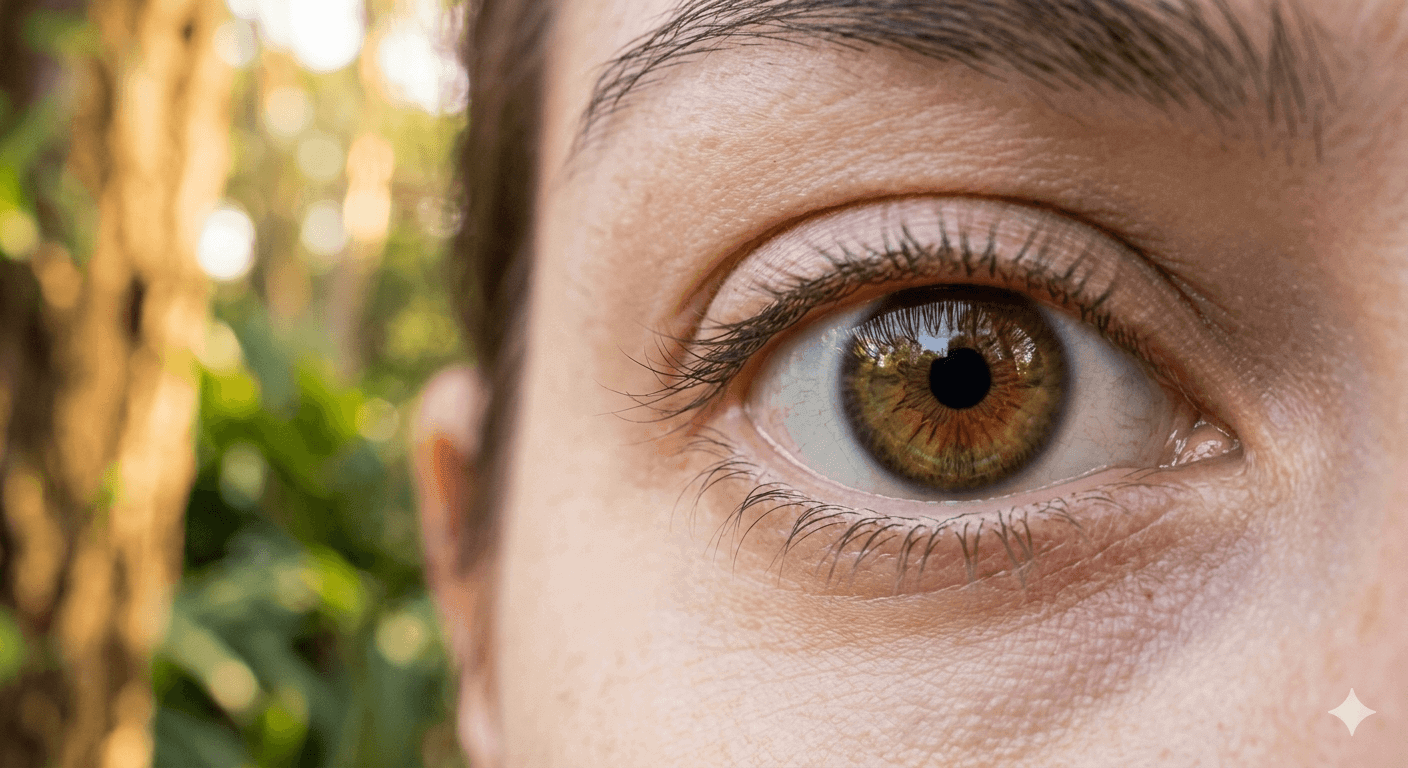
Climate change is no longer a distant concern; it’s affecting our health in ways we never imagined, including our vision. As an ophthalmologist practising in London, I’ve witnessed a concerning rise in eye conditions directly linked to environmental changes. From increased air pollution to extreme weather events, our eyes are bearing the brunt of our changing climate.
Understanding how climate change impacts eye health is crucial for protecting your vision in the years ahead. In this comprehensive guide, I’ll explain the connection between environmental shifts and ocular health, and what you can do to safeguard your eyes.
How Climate Change Directly Affects Your Eyes
Rising Temperatures and Dry Eye Disease
Global temperatures are rising, and so are cases of dry eye syndrome. When temperatures increase, humidity levels often drop, causing tears to evaporate more quickly from the eye surface.
What happens to your eyes:
- Faster tear film evaporation
- Increased eye irritation and redness
- Burning or stinging sensations
- Blurred vision that improves with blinking
A study published in the British Journal of Ophthalmology found that for every 1°C increase in temperature, dry eye symptoms increased by approximately 14%. This is particularly concerning for London residents, where urban heat islands amplify temperature effects.
Protection strategies:
- Use preservative-free artificial tears throughout the day
- Install a humidifier in your home and office
- Wear wraparound sunglasses to reduce tear evaporation
- Stay hydrated by drinking at least 8 glasses of water daily
Increased UV Radiation Exposure
Climate change has contributed to ozone layer depletion in certain regions, allowing more harmful UV radiation to reach Earth’s surface. Even on cloudy days in the UK, UV rays can damage your eyes.
Eye conditions linked to UV exposure:
- Cataracts: UV radiation accelerates lens protein breakdown, causing cloudiness
- Pterygium: A fleshy growth on the white of the eye, more common in sunny climates
- Photokeratitis: Essentially a “sunburn” of the cornea
- Macular degeneration: Long-term UV exposure damages the retina
Essential protection:
- Wear sunglasses that block 100% of UVA and UVB rays year-round
- Choose wraparound styles for maximum coverage
- Wear a wide-brimmed hat for additional protection
- Never look directly at the sun, even during sunset
Air Pollution and Ocular Surface Disease
Climate change exacerbates air pollution through increased wildfires, dust storms, and higher concentrations of ground-level ozone. London frequently experiences elevated pollution levels, particularly during temperature inversions.
How pollutants harm your eyes:
- Particulate matter (PM2.5 and PM10) irritates the ocular surface
- Nitrogen dioxide and ozone trigger inflammatory responses
- Toxic particles accumulate on contact lenses
- Chemical irritants in smog cause allergic conjunctivitis
Research from Environmental Health Perspectives shows that people living in high-pollution areas have a 50% higher risk of developing dry eye disease compared to those in cleaner environments.
Protective measures:
- Check the London Air Quality Index before outdoor activities
- Wear protective eyewear on high-pollution days
- Use preservative-free eye drops to flush out pollutants
- Remove contact lenses immediately if eyes become irritated
- Install air purifiers with HEPA filters at home
Extended Pollen Seasons and Allergic Eye Disease
Warmer temperatures have lengthened pollen seasons across the UK by an average of 20 days. Higher CO2 levels also cause plants to produce more pollen, intensifying allergic reactions.
Symptoms of allergic conjunctivitis:
- Intense itching in both eyes
- Redness and swelling of the eyelids
- Watery discharge
- Sensitivity to light
- A gritty feeling in the eyes
Management strategies:
- Begin antihistamine eye drops before pollen season starts
- Keep windows closed during peak pollen hours (early morning)
- Shower and change clothes after being outdoors
- Use wraparound sunglasses to prevent pollen contact
- Consider prescription medications for severe cases
Extreme Weather Events and Eye Injuries
Climate change has increased the frequency of extreme weather hurricanes, dust storms, flooding, and wildfires. These events pose direct risks to eye health.
Weather-related eye hazards:
- Wildfires: Smoke contains fine particles that irritate eyes and can cause chemical burns
- Floods: Contaminated water increases risk of serious eye infections
- Dust storms: Flying debris can cause corneal abrasions
- Extreme wind: Increases risk of foreign body injuries
Emergency preparedness:
- Stock protective eyewear in your emergency kit
- Keep a supply of sterile saline solution for eye irrigation
- Never rub your eyes if contaminated rinse immediately
- Seek emergency care for chemical exposure or penetrating injuries
Climate Change and Infectious Eye Diseases
Vector-Borne Infections Spreading to New Regions
Warmer temperatures are allowing disease-carrying insects to thrive in previously inhospitable regions. Several eye infections are now appearing in areas where they were once rare.
Emerging concerns:
- Onchocerciasis (River Blindness): Transmitted by blackflies, now spreading due to changing rainfall patterns
- Trachoma: Thrives in drought conditions with poor sanitation
- Dengue fever: Can cause retinal hemorrhages and vision loss
- Zika virus: Associated with eye abnormalities, particularly in newborns.
While these remain uncommon in the UK, increased global travel means ophthalmologists must stay vigilant.
Water-Related Eye Infections
Flooding and heavy rainfall contaminate water sources, increasing the risk of:
- Acanthamoeba keratitis: A serious parasitic infection, often in contact lens wearers
- Bacterial keratitis: From exposure to contaminated floodwater
Fungal infections: Thrive in warm, moist conditions
Prevention tips:
- Never wear contact lenses while swimming or showering
- Use only sterile contact lens solutions
- Avoid contact with floodwater when possible
- If exposed, rinse eyes with sterile saline immediately
Vulnerable Populations
Certain groups face higher risks from climate-related eye problems:
Children: Developing eyes are more susceptible to UV damage, and effects are cumulative over a lifetime.
Elderly individuals: Age-related conditions like dry eye and macular degeneration worsen with environmental stress.
Contact lens wearers: Lenses trap pollutants against the eye surface, increasing irritation risk.
Outdoor workers: Prolonged exposure to UV, pollution, and extreme weather without adequate protection.
People with existing eye conditions: Those with dry eye, glaucoma, or diabetic retinopathy may experience accelerated disease progression.
The Connection Between Climate Anxiety and Vision
It’s worth noting that climate anxiety the chronic fear of environmental doom can manifest in physical symptoms, including:
- Eye strain from excessive screen time reading climate news
- Stress-related dry eye
- Tension headaches affecting vision
- Difficulty focusing
If you’re experiencing vision changes alongside climate-related stress, speak with both your GP and ophthalmologist for comprehensive care.
What You Can Do: Practical Protection Strategies
Daily Protection Routine
Morning:
- Check air quality and pollen forecasts
- Apply preservative-free lubricating drops if needed
- Choose appropriate eyewear (sunglasses with UV protection)
During the day: 4. Take regular screen breaks (20-20-20 rule: every 20 minutes, look 20 feet away for 20 seconds) 5. Stay hydrated 6. Reapply lubricating drops as needed
Evening: 7. Remove all eye makeup thoroughly 8. Clean eyelids if exposed to high pollution 9. Use a warm compress if eyes feel irritated
Annual Eye Health Check
Regular comprehensive eye examinations are more important than ever. During your annual check-up, I assess:
- Tear film quality and dry eye severity
- UV damage to the lens and retina
- Signs of pollution-related inflammation
- Early detection of cataracts and macular degeneration
Book an eye examination if you experience:
- Persistent dryness or irritation
- Changes in vision quality
- Increased sensitivity to light
- Redness that doesn’t resolve within 24 hours
- Any sudden vision changes
Supporting Eye Health Through Nutrition
Your diet can help combat climate-related eye stress:
Omega-3 fatty acids (salmon, flaxseed, walnuts): Reduce dry eye inflammation
Lutein and zeaxanthin (kale, spinach, eggs): Protect against UV and blue light damage
Vitamin C (citrus fruits, berries): Antioxidant protection against pollution
Vitamin E (almonds, sunflower seeds): Supports healthy cell membranes
Zinc (oysters, beef, pumpkin seeds): Essential for retinal health
The Future: What Ophthalmology Predicts
As climate change accelerates, ophthalmologists anticipate:
- A 20-30% increase in dry eye cases by 2030
- Earlier onset of cataracts in younger populations
- Higher prevalence of UV-related eye cancers
- Increased demand for protective eyewear and treatments
However, medical advances are keeping pace:
- Improved dry eye treatments including new prescription drops
- Advanced UV-protective contact lenses
- Better surgical techniques for climate-related conditions
- Telemedicine for monitoring chronic eye conditions
Taking Action: Environmental Choices That Protect Eyes
Individual actions matter. By reducing your carbon footprint, you’re also protecting eye health:
- Use public transport or walk when possible (reduces air pollution)
- Support clean energy initiatives
- Plant trees (natural air filters that improve local air quality)
- Advocate for stronger environmental policies
- Choose sustainable eyewear brands
When to See an Ophthalmologist Urgently
While many climate-related eye issues are manageable, seek immediate care for:
- Sudden vision loss or significant vision changes
- Severe eye pain
- Chemical exposure to the eyes
- Penetrating eye injury from weather events
- Persistent redness with discharge
- Seeing flashes of light or new floaters
- Any eye condition following exposure to contaminated water
Conclusion: Protecting Your Vision in a Changing World
Climate change is undeniably affecting eye health, but awareness and proactive measures can significantly reduce your risk. The key is to treat eye protection as an essential part of your daily routine, not an afterthought.
As environmental conditions continue to evolve, so must our approach to eye care. Regular check-ups, proper protection, and staying informed about environmental conditions are your best defences against climate-related eye problems.
Your eyes are remarkably resilient, but they need your help to stay healthy in our changing climate. By understanding these risks and taking appropriate precautions, you can preserve your vision for years to come.
About US
Mr Rajesh Deshmukh is a consultant ophthalmologist with over 15 years of experience practising in London. He specialises in comprehensive eye care, cataract surgery, and environmental impacts on ocular health. His practice focuses on providing evidence-based, personalised care to help patients maintain optimal vision throughout their lives.
Book Your Comprehensive Eye Examination
Concerned about how environmental factors might be affecting your eyes? Schedule a comprehensive eye examination at our London practice. We offer advanced diagnostic testing and personalised protection strategies tailored to your lifestyle and environmental exposure.
Contact us today to book your appointment or visit rajeshdeshmukh.co.uk for more information.

