 Trustpilot



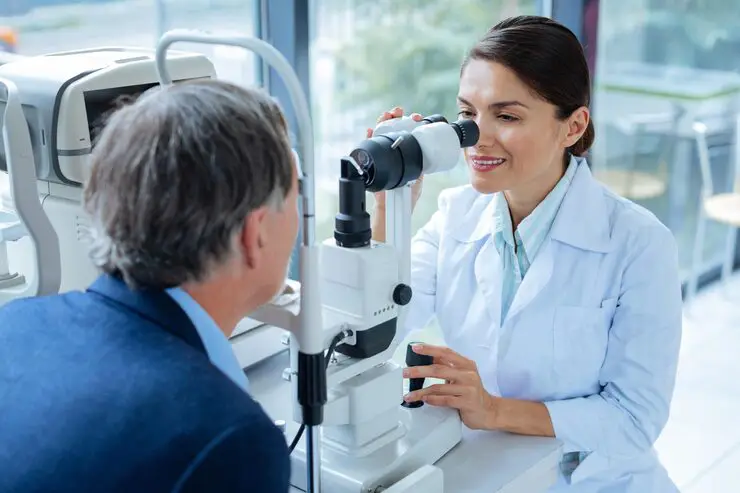
Vision plays a vital role in daily life, from reading and driving to working and social interaction. As eye health needs become more complex, comprehensive ophthalmology care has emerged as the foundation for protecting and restoring vision at every stage of life. By combining preventive eye care, accurate diagnosis, and advanced treatment, ophthalmology helps individuals maintain clear and healthy eyesight for the long term.
This article explains how comprehensive ophthalmology care advances vision health, the services it includes, and why regular eye care is essential for overall well-being.
What Is Comprehensive Ophthalmology Care?
Comprehensive ophthalmology care refers to full-spectrum medical and surgical eye care provided by trained ophthalmologists. It covers everything from routine eye examinations to the management of complex eye diseases and vision-threatening conditions.
This approach focuses on:
- Early detection of eye disorders
- Accurate diagnosis using advanced imaging
- Personalized treatment planning
- Long-term vision preservation
Comprehensive care ensures that eye problems are addressed before they progress into serious vision loss.
Why Comprehensive Eye Care Is Important
Many eye diseases develop silently, showing no early symptoms. Conditions such as glaucoma, diabetic retinopathy, and macular degeneration can cause irreversible damage if left untreated.
Comprehensive ophthalmology care helps by:
- Detecting eye diseases early
- Preventing avoidable blindness
- Managing chronic eye conditions
- Preserving visual quality and independence
Regular eye check-ups are not only about clear vision but also about protecting long-term eye health.
Core Services in Comprehensive Ophthalmology Care
1. Preventive Eye Examinations
Routine eye exams are the first step in maintaining vision health. These assessments evaluate:
- Visual acuity
- Eye pressure
- Corneal and lens health
- Retinal condition
- Eye muscle coordination
Preventive screenings help identify problems before symptoms appear.
2. Diagnosis and Management of Eye Diseases
Comprehensive ophthalmology includes treatment for a wide range of conditions, such as:
- Cataracts
- Glaucoma
- Diabetic eye disease
- Macular degeneration
- Retinal disorders
- Corneal diseases
- Dry eye syndrome
Advanced diagnostic tools like OCT scans, retinal imaging, and visual field testing allow for precise evaluation and monitoring.
What Do Clinical Studies Say About ICL Safety?
Study 1: Long-Term Outcomes (10-Year Follow-Up)
A long-term Japanese study published in the American Journal of Ophthalmology followed ICL patients for over 10 years. Results showed:
- Stable vision correction over the decade
- Minimal endothelial cell loss
- No significant complications reported
Study 2: EVO ICL vs LASIK Comparison
A recent comparative study found that:
- EVO ICL patients experienced sharper night vision and better contrast sensitivity
- LASIK patients showed more dryness and glare post-surgery
- Overall satisfaction rates were higher in the ICL group (96% vs 89%)
3. Refractive and Vision Correction Care
Ophthalmology care also addresses refractive errors, including:
- Nearsightedness
- Farsightedness
- Astigmatism
Treatment options may include glasses, contact lenses, or advanced vision correction procedures, depending on individual needs.
4. Surgical Eye Care
When medical treatment is not sufficient, surgical intervention may be required. Common ophthalmic surgeries include:
- Cataract surgery
- Glaucoma procedures
- Retinal surgery
- Corneal surgery
Modern surgical techniques are designed to be minimally invasive, safe, and highly effective.
Advanced Technology in Modern Ophthalmology
Technological advancements have transformed eye care. Today’s ophthalmology clinics use:
- High-resolution retinal imaging
- Optical Coherence Tomography (OCT)
- Digital eye mapping
- Laser-assisted treatments
These technologies improve diagnostic accuracy, treatment outcomes, and patient safety.
Comprehensive Care Across All Age Groups
Ophthalmology care is essential throughout life:
- Children: Vision development, lazy eye, and refractive errors
- Adults: Workplace eye strain, refractive correction, and preventive care
- Older adults: Cataracts, glaucoma, and retinal diseases
Tailored care ensures age-specific eye health needs are properly managed.
The Role of Early Detection in Vision Preservation
Early diagnosis is the most effective way to prevent permanent vision loss. Conditions detected at an early stage often respond better to treatment and require less invasive intervention.
Regular eye exams are especially important for people with:
- Diabetes
- A family history of eye disease
- High blood pressure
- Increasing age
How Comprehensive Ophthalmology Improves Quality of Life
Healthy vision contributes to:
- Better work performance
- Safer driving
- Improved learning and reading
- Greater independence in daily activities
By addressing both medical and functional aspects of vision, comprehensive ophthalmology care enhances overall quality of life.
Conclusion
Advancing vision health requires more than basic eye testing it demands comprehensive ophthalmology care that integrates prevention, diagnosis, treatment, and long-term monitoring. With regular eye examinations and timely medical attention, many vision-threatening conditions can be prevented or effectively managed. Prioritizing comprehensive eye care is one of the most important steps toward lifelong visual clarity and eye health.

