 Trustpilot



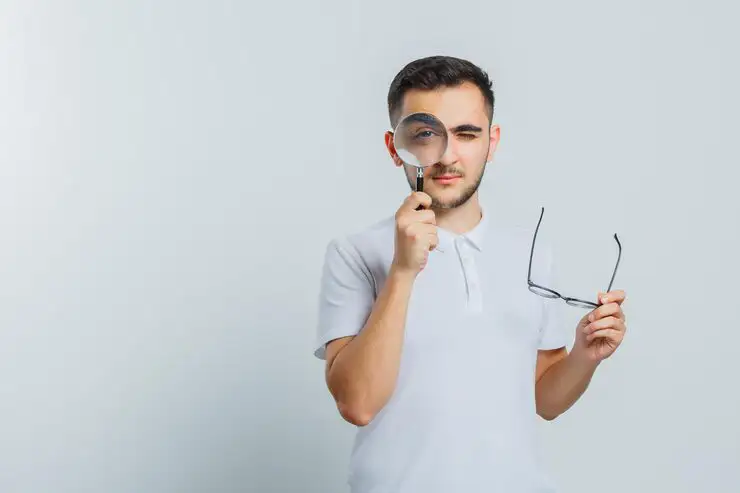
Regular eye exams are essential for maintaining good vision and detecting eye diseases early. Many eye conditions develop slowly and may not cause noticeable symptoms until significant damage has occurred. That is why routine eye examinations are an important part of preventive healthcare.
Understanding how often you should have an eye exam depends on your age, health, and risk factors. This guide explains recommended eye exam frequency and why regular checkups are important for long-term eye health.
Why Regular Eye Exams Are Important
Eye exams do more than check whether you need glasses or contact lenses. A comprehensive eye exam can detect early signs of several eye diseases and general health conditions.
Routine eye exams help identify:
- Glaucoma
- Cataracts
- Age-related macular degeneration
- Diabetic retinopathy
- High blood pressure and diabetes indicators
- Vision changes related to aging
Early detection often allows treatment before serious vision loss occurs.
Recommended Eye Exam Frequency by Age
Children and Teenagers
Children’s eyes develop rapidly, and vision problems can affect learning and development.
Recommended schedule:
- First eye exam: around age 3
- Before starting school
- Every 1–2 years during school years
Early eye exams can detect issues such as lazy eye (amblyopia), crossed eyes, or refractive errors.
Adults (Ages 20–39)
Healthy adults with no vision problems may not require frequent exams.
Recommended schedule:
- Every 2 years if vision is stable
- Every 1–2 years if you wear glasses or contact lenses
However, individuals with risk factors may need more frequent examinations.
Adults (Ages 40–64)
After age 40, the risk of eye diseases increases.
Common issues during this stage include:
- Presbyopia (difficulty reading small print)
- Early cataracts
- Glaucoma risk
Recommended schedule:
- Every 1–2 years
Regular monitoring helps detect age-related eye conditions early.
Older Adults (Age 65 and Above)
People over 65 have a higher risk of vision problems.
Common conditions include:
- Cataracts
- Macular degeneration
- Diabetic eye disease
- Glaucoma
Recommended schedule:
- Once every year or as advised by an eye specialist.
5. Cataracts
Cataracts develop when the natural lens of the eye becomes cloudy. While cataracts usually progress slowly, they can sometimes cause sudden noticeable blurring, especially under bright lighting conditions.
6. Retinal Problems
Certain retinal conditions can cause sudden vision changes and require immediate medical attention.
Examples include:
- Retinal detachment
- Macular degeneration
- Retinal vein occlusion
Symptoms may include blurred vision, flashes of light, or dark spots in the visual field.
7. Stroke or Neurological Conditions
People Who Need More Frequent Eye Exams
Certain individuals may need annual or more frequent eye exams.
You may need regular eye exams if you have:
- Diabetes
- High blood pressure
- Family history of eye disease
- Previous eye surgery
- Glaucoma risk factors
- Long-term use of certain medications
Frequent monitoring helps manage these risks effectively
rs
Severe headache
Difficulty speaking or moving
Double vision
These signs may indicate a serious medical emergency.
What Happens During a Comprehensive Eye Exam?
A typical eye exam includes several tests to evaluate vision and eye health.
Common tests include:
- Visual acuity test (eye chart)
- Refraction test to determine glasses prescription
- Eye pressure measurement
- Examination of the retina and optic nerve
- Eye movement and coordination tests
Modern clinics may also use advanced imaging tools such as retinal photography or optical coherence tomography (OCT).
Signs You Should Schedule an Eye Exam Immediately
Even if your last exam was recent, you should seek medical attention if you experience:
- Sudden blurred vision
- Eye pain
- Flashes of light or floaters
- Persistent redness
- Double vision
- Sudden vision loss
These symptoms may indicate serious eye conditions requiring urgent care.
Tips to Maintain Healthy Vision
In addition to regular eye exams, simple lifestyle habits can protect your eyesight.
Helpful tips include:
- Limit prolonged screen time and take regular breaks
- Wear sunglasses with UV protection
- Maintain a healthy diet rich in vitamins and antioxidants
- Avoid smoking
- Manage diabetes and blood pressure
These habits support long-term eye health.
Conclusion
Regular eye exams play a vital role in maintaining clear vision and detecting eye diseases early. The ideal frequency of eye examinations depends on age, health conditions, and individual risk factors. By scheduling routine checkups and paying attention to changes in vision, you can protect your eyesight and maintain healthy eyes for years to come.

