 Trustpilot



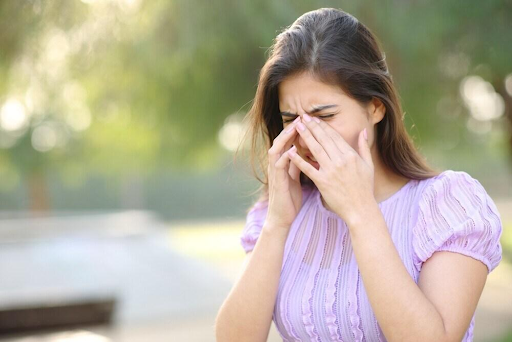
Summer should be a time for enjoying the sunshine, outdoor activities, and well-deserved holidays. But for millions of people across the UK, warmer weather brings an unwelcome companion: dry, irritated eyes that can turn the season’s pleasures into uncomfortable ordeals.
As a consultant ophthalmologist practising in London, I see a significant surge in dry eye complaints during the summer months. Patients often express surprise shouldn’t winter’s cold, dry air be worse for their eyes? The reality is that summer presents unique challenges that can trigger or worsen dry eye syndrome in ways many people don’t anticipate.
If you’ve experienced gritty, burning, or watery eyes during the warmer months, you’re not alone. Understanding why summer affects your eyes and what you can do about it can transform your seasonal experience from uncomfortable to enjoyable.
What Is Dry Eye Syndrome?
Before diving into summer-specific causes, let’s understand what dry eye syndrome actually is.
Dry eye disease (DED), also known as keratoconjunctivitis sicca, occurs when your eyes don’t produce enough tears or when the tears evaporate too quickly. This leaves the ocular surface inadequately lubricated and nourished.
The Tear Film: Your Eye's Protective Shield
Your tears aren’t just salty water they’re a sophisticated three-layered film:
Lipid (oil) layer (outermost):
- Produced by meibomian glands in your eyelids
- Prevents tear evaporation
- Smooths the tear surface for clear vision
Aqueous (water) layer (middle):
- Produced by lacrimal glands
- Contains nutrients, oxygen, and antibodies
- Washes away debris and irritants
Mucin layer (innermost):
- Produced by goblet cells in the conjunctiva
- Helps tears spread evenly across the eye
- Anchors the tear film to the cornea
When any component is deficient or imbalanced, dry eye symptoms develop.
Common Symptoms of Dry Eye
Paradoxically, dry eyes often cause excessive tearing. Here’s why: when your eyes are dry, they send distress signals that trigger reflex tearing a flood of watery tears that lack the proper oil and mucin layers, providing only temporary relief.
Classic symptoms include:
- Stinging, burning, or scratchy sensation
- Feeling like there’s sand or grit in your eyes
- Redness and inflammation
- Excessive watering or tearing
- Stringy mucus in or around the eyes
- Blurred vision that improves with blinking
- Eye fatigue, especially after reading or screen use
- Difficulty wearing contact lenses
- Light sensitivity (photophobia)
These symptoms typically worsen as the day progresses and during activities requiring sustained visual attention.
Why Summer Triggers Dry Eyes: The Surprising Culprits
Higher Temperatures and Increased Evaporation
This is the primary summer dry eye trigger. As temperatures rise, the tear film evaporates more rapidly from your eye’s surface.
The science behind it:
- For every 10°C increase in temperature, tear evaporation rate nearly doubles
- UK summer temperatures averaging 20-25°C significantly increase evaporation compared to cooler months
- Urban heat islands in cities like London can add an extra 5-7°C, compounding the effect
Think of it like a puddle on a hot pavement versus a cool one the warmer surface causes faster evaporation. Your eyes face the same physics.
Research published in The Ocular Surface journal found that tear film stability decreases by approximately 15-20% during summer months compared to spring and autumn.
Air Conditioning: A Double-Edged Sword
While air conditioning provides welcome relief from heat, it’s one of the worst offenders for dry eyes.
How AC affects your eyes:
- Removes moisture from the air, reducing humidity by 30-50%
- Creates constant airflow that accelerates tear evaporation
- Circulates dust, allergens, and pollutants
- Maintains artificially low humidity levels (often below 30%, when 40-60% is ideal)
Whether you’re in an air-conditioned office, car, shop, or home, your eyes are constantly battling this dry environment.
Office workers report 2-3 times higher dry eye symptoms during summer due to prolonged AC exposure combined with screen time.
Increased Sun Exposure and UV Radiation
Summer means more time outdoors and more exposure to harmful ultraviolet (UV) radiation.
UV’s impact on dry eyes:
- Damages the corneal surface, reducing tear production
- Causes inflammation of the conjunctiva (photoconjunctivitis)
- Accelerates aging of meibomian glands, reducing oil production
- Triggers inflammatory responses that worsen dry eye
Reflection intensifies UV exposure:
- Water reflects up to 100% of UV rays (critical for beach-goers and swimmers)
- Sand reflects approximately 15-25%
- Concrete and pavement reflect 10-12%
This means you’re getting UV exposure not just from above, but also from below attacking your eyes from multiple angles.
Wind and Outdoor Activities
Summer activities often involve increased wind exposure:
Wind’s effects:
- Physically blows tears off the eye surface
- Carries dust, pollen, and pollutants directly into eyes
- Increases evaporation rate exponentially
- Prevents tears from spreading evenly across the cornea
High-risk activities:
- Cycling or motorcycling
- Sailing or water sports
- Convertible car rides
- Outdoor running
- Beach walks on windy days
Even a gentle 10-15 mph breeze significantly impacts tear stability.
Chlorine and Saltwater Exposure
Summer swimming, whether in pools or the sea, presents unique challenges for dry eyes.
Chlorinated pools:
- Chlorine strips away the lipid layer of your tear film
- Alters the pH balance of the ocular surface
- Kills beneficial bacteria on the eye surface
- Causes chemical irritation and inflammation
Studies show that regular pool swimmers have a 34% higher prevalence of dry eye symptoms compared to non-swimmers.
Saltwater (ocean):
- High salt concentration draws moisture out of your eyes
- Contains bacteria and microorganisms that can cause infections
- Often combined with sun, wind, and sand exposure
- May contain pollutants depending on water quality
Allergies and Pollen
Summer brings peak pollen seasons in the UK, particularly from:
- Grass pollen (May through July) the most common trigger
- Weed pollen (June through September)
- Tree pollen (extending into early summer in some years)
The allergy-dry eye connection:
- Allergic inflammation damages goblet cells that produce mucin
- Antihistamines used to treat allergies reduce tear production
- Rubbing itchy eyes physically damages the tear film
- Inflammatory mediators disrupt normal tear composition
Eye allergies and dry eye often coexist and worsen each other, creating a vicious cycle.
Increased Screen Time Indoors
Ironically, people often spend more time indoors on screens during the hottest summer days, seeking relief from extreme heat.
The perfect storm:
- Reduced blink rate (decreases by 60% during screen use)
- Air-conditioned indoor environments
- Prolonged near-focus work strains eyes
- Blue light exposure may contribute to eye strain
Working from home during summer compounds this issue, with less variation in environment and activity throughout the day.
Travel and Flying
Summer holidays mean more air travel, and airplane cabins are notoriously dry.
Cabin conditions:
- Humidity levels as low as 10-20% (desert-like)
- Recycled air with reduced oxygen
- Prolonged close-up work (reading, watching screens)
- Often combined with jet lag disrupting tear production rhythms
A 3-4 hour flight can cause significant dry eye symptoms that persist for days after landing.
Dehydration
Higher temperatures and increased activity lead to systemic dehydration, which directly impacts tear production.
How dehydration affects your eyes:
- Reduces overall body fluid volume, including tears
- Concentrates tear composition, making them less effective
- Impairs meibomian gland function
- Reduces blood flow to lacrimal glands
You need approximately 200-300ml extra fluid daily during hot weather just to maintain normal tear production.
Who Is Most at Risk for Summer Dry Eye?
While anyone can develop seasonal dry eye, certain groups face higher risk:
Age-Related Risk
People over 50:
- Natural decrease in tear production with age
- Menopausal hormonal changes in women (significantly reduce tear production)
- Age-related meibomian gland dysfunction
- More likely to take medications that reduce tears
Over 65s: Up to 75% experience some degree of dry eye
Medical Conditions
Higher risk if you have:
- Diabetes (damages nerves controlling tear production)
- Thyroid disorders (particularly Graves’ disease)
- Rheumatoid arthritis or Sjögren’s syndrome
- Lupus or other autoimmune conditions
- Rosacea (often involves meibomian gland dysfunction)
- Vitamin A deficiency
Medications That Worsen Dry Eye
Common summer culprits:
- Antihistamines (for hay fever and allergies)
- Decongestants (for sinus issues)
- Blood pressure medications (diuretics)
- Antidepressants
- Hormone replacement therapy
- Birth control pills
- Acne medications (isotretinoin/Roaccutane)
If you take any of these, summer dry eye may be particularly problematic.
Contact Lens Wearers
Contact lenses already reduce oxygen to the cornea and can destabilize the tear film. Summer conditions amplify these effects:
- Lenses dry out faster in heat and low humidity
- Chlorine and saltwater damage lenses and irritate eyes
- Increased allergen exposure makes lens wear uncomfortable
- Higher infection risk in summer conditions
Summer is when many contact lens wearers switch to glasses for relief.
Lifestyle Factors
Increased risk if you:
- Work in air-conditioned offices
- Spend extended time on computers or devices
- Regularly swim in chlorinated pools
- Participate in outdoor sports
- Smoke or are exposed to secondhand smoke
- Live or work in urban areas with high pollution
Prevention Strategies: Protecting Your Eyes This Summer
The good news? Most summer dry eye is preventable with proactive measures. Here’s your comprehensive protection plan:
Hydration: Your First Line of Defense
Daily water intake targets:
- Men: 3-4 litres during hot weather
- Women: 2.5-3 litres during hot weather
- Add 500ml for every hour of outdoor activity
Hydration tips:
- Drink water before you feel thirsty (thirst means you’re already dehydrated)
- Keep a water bottle with you always
- Eat water-rich foods (cucumbers, watermelon, strawberries, lettuce)
- Limit caffeine and alcohol (both are diuretics that promote dehydration)
- Set hourly reminders to drink water
Signs you’re properly hydrated:
- Pale yellow urine
- Moist lips and eyes
- No excessive thirst
- Good skin elasticity
Artificial Tears: Choose Wisely
Not all eye drops are created equal. For summer dry eye:
Preservative-free lubricating drops (BEST CHOICE):
- Can be used as often as needed
- No preservative toxicity with frequent use
- Gentler on sensitive eyes
- Available in single-use vials
Recommended frequency in summer:
- Preventive use: 4-6 times daily
- During symptoms: Every 1-2 hours as needed
- Before high-risk activities (swimming, flying, outdoor sports)
Avoid “redness-relief” drops:
- These constrict blood vessels temporarily
- Cause rebound redness when they wear off
- Don’t address underlying dryness
- Can worsen dry eye with regular use
Look for drops containing:
- Hyaluronic acid (excellent moisture retention)
- Carboxymethylcellulose
- Polyethylene glycol
- Hydroxypropyl methylcellulose
Gel formulations: Better for nighttime use or severe dryness (may temporarily blur vision)
Environmental Control
At home:
- Use a humidifier to maintain 40-60% humidity
- Position yourself away from direct AC vents
- Use ceiling fans instead of AC when possible
- Keep AC temperature at 22-24°C (not excessively cold)
- Point car AC vents away from your face
At work:
- Request desk position away from AC vents
- Use a small personal humidifier
- Take regular breaks from screens (20-20-20 rule)
- Adjust monitor height (top of screen at or below eye level reduces surface exposure)
Monitor indoor humidity: Purchase an inexpensive hygrometer to track humidity levels and adjust accordingly.
UV and Wind Protection
Sunglasses are essential:
- Choose wraparound styles that block wind and UV from all angles
- Ensure 100% UVA and UVB protection
- Larger lenses provide better coverage
- Polarized lenses reduce glare from reflective surfaces
Additional protection:
- Wide-brimmed hats (block 50% more UV than sunglasses alone)
- UV-blocking contact lenses (provide added protection but still wear sunglasses)
- Seek shade during peak UV hours (10am-4pm)
For sports and outdoor activities:
- Sport-specific eyewear with foam gaskets (creates a moisture chamber)
- Motorcycle/cycling goggles or glasses
- Swimming goggles (more on this below)
Swimming Protection
For chlorinated pools:
- ALWAYS wear well-fitting swimming goggles
- Rinse eyes with preservative-free artificial tears immediately after swimming
- Remove contact lenses before swimming (never wear in water)
- Shower and rinse face thoroughly after pool exposure
- Consider daily disposable lenses if you must wear contacts while swimming
For ocean swimming:
- Wear swim goggles or mask
- Rinse with fresh water immediately after
- Apply lubricating drops post-swim
- Be especially cautious in areas with known pollution
Post-swimming care routine:
- Rinse eyes with sterile saline or preservative-free tears
- Gently pat (don’t rub) face dry
- Apply additional lubricating drops
- Avoid rubbing eyes even if they feel irritated
Digital Device Management
The 20-20-20 rule is crucial in summer when indoor screen time often increases:
Every 20 minutes:
- Look at something 20 feet (6 meters) away
- For at least 20 seconds
- Blink deliberately 10-15 times
Additional screen strategies:
- Reduce screen brightness to match ambient lighting
- Increase text size to reduce eye strain
- Use blue light filters, especially in evening
- Position screens 20-26 inches from eyes
- Keep screen slightly below eye level
- Use artificial tears before extended computer sessions
Conscious blinking: Practice deliberate, complete blinks gently close eyes fully for a moment, don’t just flutter eyelids
Dietary Support for Tear Production
Omega-3 fatty acids are essential for healthy meibomian gland function:
Best sources:
- Fatty fish: salmon, mackerel, sardines, anchovies (2-3 servings weekly)
- Flaxseeds and flaxseed oil (1-2 tablespoons daily)
- Chia seeds
- Walnuts
- Omega-3 supplements (1000-2000mg EPA+DHA daily)
Other beneficial nutrients:
- Vitamin A: Carrots, sweet potatoes, leafy greens (essential for tear production)
- Vitamin D: Sunlight, fortified foods, supplements (reduces inflammation)
- Vitamin E: Nuts, seeds, vegetable oils (antioxidant protection)
- Zinc: Oysters, beef, pumpkin seeds (supports vitamin A absorption)
Stay hydrated through food:
- Cucumbers (96% water)
- Watermelon (92% water)
- Strawberries (91% water)
- Celery (95% water)
- Tomatoes (94% water)
Eyelid Hygiene
Proper eyelid care is especially important in summer:
Daily warm compress routine:
- Apply a warm (not hot) compress to closed eyelids for 5-10 minutes
- This melts oil in meibomian glands, improving tear quality
- Best done morning and evening
Eyelid cleaning:
- Use preservative-free lid wipes or diluted baby shampoo
- Gently clean along the lash line
- Removes debris, allergens, and bacteria
- Particularly important for those with blepharitis or rosacea
When to do it:
- Every morning as part of your routine
- After swimming
- After exposure to high pollen or pollution
- Before applying eye makeup
Air Travel Preparation
Before the flight:
- Use lubricating drops 30 minutes before boarding
- Avoid contact lenses on flights over 3 hours
- Bring preservative-free drops in carry-on (comply with liquid restrictions)
During the flight:
- Apply drops every 1-2 hours
- Avoid overhead air vents blowing directly on your face
- Stay hydrated (drink water frequently)
- Use a sleep mask if napping (creates moisture chamber)
- Avoid alcohol and excessive caffeine
After landing:
- Apply drops immediately
- Continue frequent lubrication for 24-48 hours post-flight
Allergy Management
For hay fever sufferers:
- Start antihistamines BEFORE symptoms begin (early May for grass pollen)
- Choose newer antihistamines with fewer drying effects (cetirizine, loratadine)
- Use antihistamine eye drops specifically for allergic conjunctivitis
- Apply cool compresses to soothe itchy eyes
- Shower and change clothes after outdoor exposure to remove pollen
Natural pollen protection:
- Wear wraparound sunglasses outdoors
- Keep car and home windows closed during high pollen count days
- Use air purifiers with HEPA filters indoors
- Check daily pollen forecasts and plan activities accordingly
- Dry laundry indoors (pollen clings to clothing)
Treatment Options: When Prevention Isn't Enough
If preventive measures don’t adequately control your summer dry eye, several treatment options are available:
Over-the-Counter Solutions
Preservative-Free Artificial Tears
- First-line treatment for mild to moderate dry eye
- Safe for frequent use (up to every hour if needed)
- Multiple formulations available trial different brands to find what works best
Recommended brands (available in UK):
- Hylo-Forte
- Clinitas
- Systane Ultra
- Blink Intensive Tears
- Thealo
Lipid-Based Drops
- Specifically address evaporative dry eye
- Replenish the oil layer of tear film
- Particularly helpful for meibomian gland dysfunction
Examples:
- Systane Complete
- Refresh Optive Advanced
- Hylo-Dual
Gel Drops and Ointments
- Thicker consistency provides longer-lasting relief
- Best for nighttime use
- May cause temporary vision blurring
When to use:
- Apply gel drops before bed
- Use ointments for overnight protection
- Consider for very severe dryness
Prescription Treatments
If OTC options don’t provide adequate relief, consult your ophthalmologist about:
Anti-Inflammatory Drops
Cyclosporine (Ikervis):
- Reduces inflammation that causes dry eye
- Increases natural tear production
- Takes 3-6 months for full effect
- Usually prescribed for moderate to severe dry eye
Lifitegrast:
- Newer anti-inflammatory option
- Works faster than cyclosporine (improvement in 2-4 weeks)
- Reduces both symptoms and signs of dry eye
Steroid Drops (Short-Term)
- Quickly reduce inflammation during flare-ups
- Not suitable for long-term use due to side effects
- Prescribed for 2-4 weeks during severe episodes
- Often used to “jump-start” treatment before starting cyclosporine
Prescription Omega-3 Supplements
- Medical-grade formulations with standardized dosing
- Higher purity than over-the-counter versions
- May be more effective for meibomian gland dysfunction
In-Office Procedures
Punctal Plugs
- Tiny silicone or gel plugs inserted into tear drainage ducts
- Keep tears on the eye surface longer
- Reversible (can be removed if uncomfortable)
- Particularly effective for aqueous-deficient dry eye
Procedure:
- Quick, painless office procedure
- Temporary collagen plugs used first to assess benefit
- Semi-permanent silicone plugs if successful
- Approximately 70-80% of patients report significant improvement
Intense Pulsed Light (IPL) Therapy
- Originally developed for skin conditions
- Found to be highly effective for meibomian gland dysfunction
- Reduces inflammation and improves gland function
Treatment protocol:
- 3-4 sessions spaced 2-4 weeks apart
- Each session takes 10-15 minutes
- Results last 6-12 months
- May require maintenance treatments
LipiFlow Thermal Pulsation
- Automated treatment that applies heat and gentle pressure to eyelids
- Unclogs blocked meibomian glands
- Improves oil secretion into tears
What to expect:
- Single 12-minute treatment per eye
- Most patients see improvement within 6-8 weeks
- Results typically last 1-2 years
- May need repeat treatments
Meibomian Gland Expression
- Manual expression of blocked oil glands by ophthalmologist
- Immediate relief for many patients
- May be combined with warm compresses and lid hygiene
Amniotic Membrane Treatment
- For severe dry eye not responding to other treatments
- Promotes healing of damaged ocular surface
- Reduces inflammation
- Usually reserved for complicated cases
Emerging Treatments
Autologous Serum Eye Drops:
- Made from your own blood serum
- Contains growth factors and nutrients
- Highly effective for severe cases
- Requires specialized preparation
Scleral Contact Lenses:
- Large lenses that vault over the cornea
- Create a fluid reservoir that continuously bathes the eye
- Excellent for severe dry eye
- Require specialized fitting
Neurostimulation Devices:
- Small device that stimulates tear production via nasal nerve stimulation
- FDA-approved, available in specialized centres
- Used 3-4 times daily
When to See an Ophthalmologist
While many people manage mild summer dry eye with OTC treatments, certain situations require professional evaluation:
Schedule an appointment if:
- Symptoms persist despite using artificial tears 4-6 times daily for 2 weeks
- Vision is affected or fluctuates significantly
- Eyes are persistently red and painful
- You experience light sensitivity that interferes with activities
- You develop discharge or sticky eyelids
- One eye is significantly more affected than the other
- You’ve had recent eye surgery and develop new dry eye symptoms
- You experience sudden onset of severe dry eye
- OTC treatments cause irritation or allergic reactions
- Dry eye interferes with daily activities or quality of life
Urgent evaluation needed for:
- Severe eye pain
- Sudden vision loss
- Signs of infection (thick discharge, swelling, fever)
- Inability to open eyes due to pain or swelling
- Foreign body sensation that doesn’t improve with irrigation
Special Considerations: Contact Lens Wearers
Summer is particularly challenging for contact lens users. Here’s how to manage:
Daily Wear Strategy
Best practices:
- Switch to daily disposable lenses in summer (reduced infection risk, always fresh lens)
- Reduce wearing time by 2-3 hours daily
- Keep backup glasses readily available
- Use rewetting drops specifically formulated for contact lenses
Recommended schedule:
- Wear glasses in highly air-conditioned environments
- Remove lenses before swimming (always)
- Switch to glasses on very high pollen count days
- Consider glasses for long flights
Choosing Summer-Friendly Lenses
Best lens types for dry eye:
- High water content silicone hydrogel lenses (allow more oxygen)
- Daily disposables (no cleaning solution issues, fresh lens daily)
- Scleral lenses for severe dry eye (under specialist supervision)
Avoid:
- Extended wear lenses in summer
- Old or damaged lenses (increased infection risk)
- Sleeping in lenses (dramatically increases infection risk)
Swimming with Contact Lenses
The golden rule: DON’T.
If you absolutely must:
- Wear daily disposable lenses
- Wear tight-fitting goggles over lenses
- Discard lenses immediately after swimming
- Rinse eyes thoroughly with preservative-free drops
- Watch for signs of infection for 7-10 days
Why it’s dangerous:
- Acanthamoeba keratitis: Rare but serious infection from water-borne parasites
- Can cause permanent vision loss
- Treatment is difficult and prolonged
- Prevention is critical
Signs Your Lenses Need a Break
Stop wearing contacts if you experience:
- Persistent redness that doesn’t clear after lens removal
- Increased lens awareness or discomfort
- Reduced wearing time tolerance
- Blurred vision that doesn’t clear with blinking
- Burning or stinging
- Excessive tearing
- Light sensitivity
Give your eyes several days of rest (wear glasses) before attempting to resume lens wear.
Summer Dry Eye Myths: Separating Fact from Fiction
Myth 1: "Tearing means my eyes aren't dry"
FACT: Excessive tearing is often a symptom of dry eye. When eyes are dry, they send distress signals triggering reflex tears watery tears that lack the oil and mucin layers needed for stability. These tears quickly evaporate, leaving eyes dry again.
Myth 2: "Dry eye isn't serious"
FACT: While usually not sight-threatening, severe untreated dry eye can lead to:
- Corneal damage and scarring
- Increased risk of eye infections
- Difficulty performing daily tasks
- Significantly reduced quality of life
Myth 3: "All eye drops are the same"
FACT: Different drops serve different purposes:
- Lubricating drops replace tears
- Redness-relief drops constrict blood vessels (don’t treat dryness)
- Allergy drops address allergic inflammation
- Prescription drops reduce inflammation and increase tear production
Using the wrong type can worsen symptoms.
Myth 4: "You build tolerance to eye drops"
FACT: You don’t build tolerance to preservative-free lubricating drops. However, preserved drops can cause toxicity with overuse, making eyes feel worse. This is why preservative-free formulations are recommended for frequent use.
Myth 5: "Dry eye only affects older people"
FACT: While more common with age, dry eye affects people of all ages, especially:
- Contact lens wearers (any age)
- People who spend significant time on screens
- Those taking certain medications
- People with allergies or autoimmune conditions
Myth 6: "Drinking more water cures dry eye"
FACT: While hydration is important and helps, it alone rarely cures dry eye. Most people need a combination of:
- Proper hydration
- Environmental modifications
- Artificial tears
- Eyelid hygiene
- Sometimes prescription treatments
Creating Your Personalized Summer Dry Eye Plan
Everyone’s dry eye is different. Here’s how to create your personalized management plan:
Step 1: Identify Your Primary Triggers
Keep a symptom diary for 1-2 weeks:
- Note when symptoms are worst
- Record activities and environments
- Track medication use
- Monitor weather conditions and pollen counts
Common patterns:
- Worse in air-conditioned spaces → Environmental control is key
- Worse after screen time → Focus on digital device management
- Worse outdoors → UV and wind protection priority
- Worse after swimming → Emphasize eye protection in water
Step 2: Implement Baseline Protection
Everyone should:
- Use preservative-free lubricating drops 2-4 times daily preventively
- Wear UV-blocking sunglasses outdoors
- Stay well-hydrated (2.5-4 litres daily in summer)
- Practice good eyelid hygiene
- Follow the 20-20-20 rule during screen use
Step 3: Add Trigger-Specific Measures
Based on your diary findings, add:
For AC exposure:
- Desk humidifier
- Position away from vents
- Increase drop frequency
For outdoor activities:
- Wraparound sunglasses
- Wide-brimmed hat
- Sport-specific eye protection
- Pre-activity lubrication
For swimming:
- Always wear goggles
- Post-swim rinse protocol
- Consider switching to glasses
For allergies:
- Antihistamines (start early)
- Antihistamine eye drops
- Pollen avoidance strategies
- Cool compresses
Step 4: Monitor and Adjust
After 2-4 weeks, assess:
- Are symptoms improving?
- Which strategies help most?
- Do you need additional treatments?
- Is professional evaluation needed?
Adjust your plan accordingly:
- Increase drop frequency if needed
- Add new strategies for remaining symptoms
- Consider scheduling ophthalmology appointment if symptoms persist
Living Well with Summer Dry Eye
Dry eye doesn’t have to ruin your summer. With proper understanding and proactive management, you can enjoy all the season has to offer while keeping your eyes comfortable.
Key takeaways:
- Prevention is more effective than treatment – Start protective measures before symptoms begin
- Hydration is fundamental – Both systemic and ocular
- Environmental control makes a significant difference
- Preservative-free lubricating drops are safe for frequent use
- UV and wind protection prevents damage and discomfort
- Swimming requires special precautions – Always wear goggles
- Professional help is available when self-care isn’t enough
- Consistency is crucial – Daily habits prevent flare-ups
Remember, dry eye is a chronic condition for many people, but it’s also highly manageable. The small inconvenience of regular drop use and protective eyewear is far outweighed by the comfort and clear vision they provide.
Don’t let dry eyes keep you from enjoying summer’s pleasures armed with knowledge and the right strategies, you can keep your eyes healthy, comfortable, and ready for whatever the season brings.
About Us
Mr Rajesh Deshmukh is a consultant ophthalmologist with over 15 years of experience providing comprehensive eye care in London. He specializes in dry eye management, cataract surgery, and corneal diseases. His practice emphasizes personalized treatment plans that address each patient’s unique needs and lifestyle factors.
Book Your Dry Eye Assessment
Struggling with persistent dry eye symptoms this summer? A comprehensive dry eye evaluation can identify the specific causes of your discomfort and create a targeted treatment plan.
Our assessment includes:
- Detailed symptom questionnaire
- Tear film analysis
- Meibomian gland evaluation
- Ocular surface examination
- Personalized treatment recommendations
Don’t suffer through another uncomfortable summer. Get the relief you deserve.
Contact us today or visit rajeshdeshmukh.co.uk to schedule your dry eye consultation.

