 Trustpilot



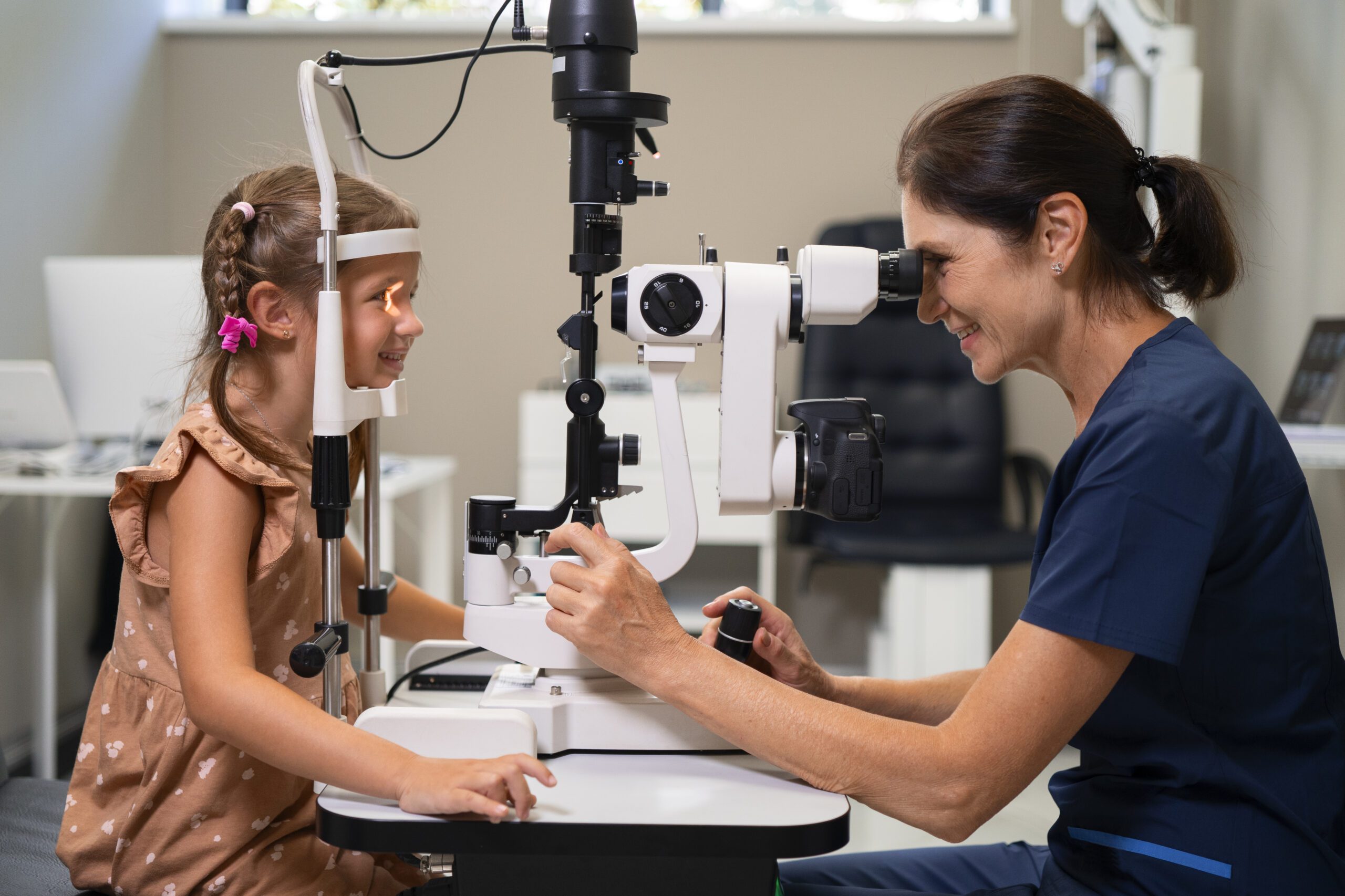
Most people schedule eye exams only when their vision becomes blurry or they need new glasses. However, a comprehensive eye exam does far more than check eyesight. Eye doctors can detect early signs of serious eye diseases and underlying health conditions during routine examinations—often before symptoms appear elsewhere in the body.
This article explains how eye exams go beyond vision correction and play a crucial role in protecting overall health.
What Happens During a Comprehensive Eye Exam?
A comprehensive eye exam evaluates both visual performance and eye health. It typically includes:
- Visual acuity testing
- Refraction to assess prescription needs
- Measurement of eye pressure
- Examination of the cornea and lens
- Retinal and optic nerve evaluation
- Pupil and eye movement assessment
These tests allow eye doctors to examine blood vessels, nerves, and tissues that can reveal broader health concerns.
Eye Diseases Detected Through Routine Eye Exams
Glaucoma
Glaucoma often develops without noticeable symptoms. Eye exams can detect:
- Elevated intraocular pressure
- Optic nerve damage
- Early visual field loss
Early diagnosis is critical to preventing permanent vision loss.
Diabetic Eye Disease
Eye exams can reveal retinal changes caused by diabetes, such as:
- Leaking or damaged blood vessels
- Retinal swelling
- Microaneurysms
In some cases, an eye doctor may be the first to suspect diabetes based on eye findings.
Age-Related Macular Degeneration
Regular eye exams help detect macular degeneration in its early stages, before central vision is affected, allowing for monitoring and timely treatment.
Cataracts
Although cataracts develop gradually, eye exams help monitor lens clarity and determine when treatment is needed.
How Eye Exams Reveal General Health Conditions
The eyes provide a unique view of the body’s circulatory and nervous systems.
High Blood Pressure (Hypertension)
Changes in retinal blood vessels can indicate high blood pressure, even before symptoms develop.
Diabetes
Early diabetic changes in the retina may appear before a person is formally diagnosed with diabetes, prompting referral for medical testing.
Autoimmune and Inflammatory Disorders
Conditions such as lupus or inflammatory diseases can cause eye inflammation, which may be detected during an exam.
Neurological Conditions
Eye exams can sometimes reveal signs of:
- Brain tumors
- Stroke-related damage
- Increased pressure within the skull
Subtle abnormalities in eye movement or optic nerve appearance can signal neurological issues.
Why Eye Exams Are Important Even Without Symptoms
Many eye and health conditions progress silently. Vision may remain normal until significant damage has occurred. Regular eye exams allow for:
- Early detection of disease
- Timely treatment
- Better long-term outcomes
Preventive eye care is especially important for individuals with diabetes, high blood pressure, a family history of eye disease, or advancing age.
How Often Should You Have an Eye Exam?
General recommendations include:
- Every 1–2 years for healthy adults
- Annually for individuals over 40
- More frequent exams for those with medical conditions or eye disease risk factors
Your eye doctor can recommend an exam schedule based on your personal health needs.
The Role of Advanced Eye Imaging
Modern eye clinics use advanced technology to improve diagnostic accuracy, including:
- Optical Coherence Tomography (OCT)
- Digital retinal photography
- Visual field testing
These tools help detect subtle changes and track eye health over time.
Conclusion
Eye exams are about much more than seeing clearly. They are powerful tools for detecting eye diseases and uncovering early signs of systemic health conditions. Regular comprehensive eye examinations help protect vision, support early diagnosis, and contribute to overall well-being. Prioritizing routine eye care is an important step toward lifelong health.

