 Trustpilot



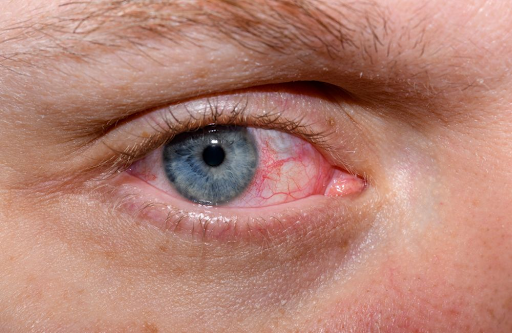
Watery eyes, also known as excessive tearing or epiphora, are a common eye complaint affecting people of all ages. While tears are essential for keeping the eyes healthy and comfortable, producing too many tears can become frustrating and interfere with daily activities.
Many people assume watery eyes are simply caused by emotions or allergies, but excessive tearing can also be a sign of an underlying eye condition. Understanding the causes of watery eyes and available treatment options can help you find relief and protect your eye health.
What Are Watery Eyes?
Tears play a vital role in maintaining eye health. They:
- Lubricate the surface of the eye
- Wash away dust and debris
- Help prevent infections
- Provide nutrients to the cornea
Normally, tears drain through tiny openings called tear ducts. When tear production increases or drainage becomes blocked, tears overflow onto the cheeks, resulting in watery eyes.
Common Causes of Watery Eyes
1. Dry Eye Syndrome
It may seem surprising, but one of the most common causes of watery eyes is dry eye disease.
When the eyes become dry or irritated, they may produce excess reflex tears in an attempt to compensate.
Symptoms
- Burning or stinging
- Gritty sensation
- Redness
- Blurred vision
- Excessive tearing
Treatment
- Artificial tears
- Prescription eye drops
- Warm compresses
- Lifestyle adjustments
2. Allergies
Eye allergies can trigger inflammation and excessive tear production.
Common allergens include:
- Pollen
- Dust mites
- Pet dander
- Mold
Symptoms
- Itchy eyes
- Redness
- Swelling
- Watery discharge
Treatment
- Antihistamine eye drops
- Allergy medications
- Avoiding allergens
3. Blocked Tear Ducts
When tear ducts become partially or completely blocked, tears cannot drain properly.
Symptoms
- Constant watering
- Recurrent eye infections
- Sticky discharge
- Swelling near the inner corner of the eye
Treatment
- Massage techniques (in infants)
- Antibiotics if infection is present
- Tear duct procedures or surgery in severe cases
4. Eye Infections
Several infections can cause watery eyes.
Examples include:
- Conjunctivitis (pink eye)
- Corneal infections
- Eyelid infections
Symptoms
- Redness
- Pain
- Discharge
- Light sensitivity
Treatment
Treatment depends on the cause and may involve:
- Antibiotic drops
- Antiviral medication
- Anti-inflammatory treatment
5. Blepharitis
Blepharitis is inflammation of the eyelid margins and can disrupt normal tear production.
Symptoms
- Crusty eyelids
- Burning sensation
- Redness
- Excessive tearing
Treatment
- Eyelid hygiene
- Warm compresses
- Medicated ointments or drops
6. Foreign Objects in the Eye
Dust, eyelashes, makeup particles, or other debris can irritate the eye and trigger reflex tearing.
Symptoms
- Sudden watering
- Eye discomfort
- Feeling that something is in the eye
Treatment
- Flushing the eye with clean water or saline
- Medical removal if the object remains trapped
7. Environmental Factors
Certain environmental conditions may stimulate tear production.
Common triggers include:
- Wind
- Smoke
- Air pollution
- Strong odors
- Cold weather
Protective eyewear can help reduce irritation in these situations.
8. Contact Lens Irritation
Improper contact lens use can irritate the eyes and cause excessive tearing.
Causes
- Poor lens hygiene
- Overwearing lenses
- Incorrect lens fit
Treatment
- Temporary discontinuation of lens use
- Lens replacement
- Professional fitting evaluation
9. Eyelid Problems
Conditions affecting eyelid position can interfere with tear drainage.
Examples include:
- Ectropion (outward-turning eyelid)
- Entropion (inward-turning eyelid)
These conditions often require evaluation by an ophthalmologist.
Symptoms That May Accompany Watery Eyes
Depending on the underlying cause, watery eyes may occur with:
- Redness
- Itching
- Burning sensation
- Eye pain
- Blurred vision
- Light sensitivity
- Swelling of the eyelids
- Mucus discharge
These accompanying symptoms can help identify the underlying problem.
How Are Watery Eyes Diagnosed?
An eye doctor may perform:
Comprehensive Eye Examination
To evaluate overall eye health.
Tear Drainage Assessment
To check whether tears are draining properly.
Slit-Lamp Examination
To inspect the cornea, eyelids, and tear film.
Imaging or Specialized Tests
In cases involving tear duct abnormalities.
Effective Treatments for Watery Eyes
Treatment depends on the underlying cause.
Lubricating Eye Drops
Useful for dry eye-related tearing.
Allergy Management
Includes antihistamines and avoidance of triggers.
Infection Treatment
May require antibiotic, antiviral, or antifungal medication.
Tear Duct Procedures
For persistent blockage.
Eyelid Surgery
May be recommended for structural eyelid problems.
Lifestyle Modifications
- Reduce screen time
- Stay hydrated
- Use humidifiers
- Protect eyes from wind and dust
When Should You See an Eye Doctor?
Seek professional evaluation if watery eyes are accompanied by:
- Persistent redness
- Eye pain
- Vision changes
- Light sensitivity
- Swelling
- Recurrent infections
- Symptoms lasting more than a few days
Prompt diagnosis can prevent complications and improve comfort.
Tips for Protecting Your Vision
To reduce your risk of glaucoma-related vision loss:
- Schedule regular comprehensive eye exams
- Follow prescribed treatment plans
- Monitor eye pressure if recommended
- Manage diabetes and blood pressure
- Inform your eye doctor about family history
- Seek prompt evaluation for any vision changes
Tips to Prevent Watery Eyes
To maintain healthy eyes:
- Practice good eye hygiene
- Follow contact lens instructions carefully
- Wear sunglasses outdoors
- Avoid rubbing your eyes
- Manage allergies effectively
- Schedule regular eye examinations
Conclusion
Watery eyes are often harmless, but persistent excessive tearing can indicate an underlying eye condition that requires treatment. From dry eye syndrome and allergies to blocked tear ducts and infections, identifying the cause is the key to effective management.

