 Trustpilot



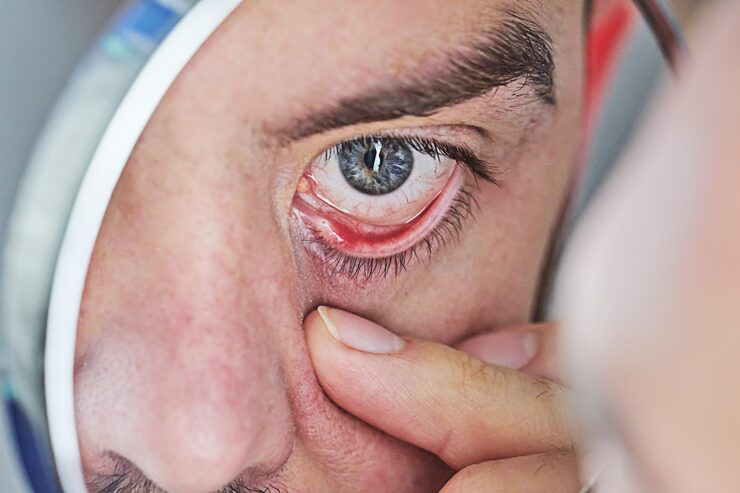
A corneal ulcer is a serious eye condition that develops when the surface of the cornea the clear, protective layer at the front of the eye—becomes damaged and infected. It is considered an eye emergency, as delayed treatment can result in permanent vision loss or scarring. Recognizing early symptoms and understanding the causes and treatment options is essential for protecting eyesight.
This guide explains corneal ulcers in a clear, patient-friendly manner, covering symptoms, causes, diagnosis, treatment, and prevention.
What Is a Corneal Ulcer?
A corneal ulcer is an open sore on the cornea, usually caused by infection, injury, or severe inflammation. The cornea plays a critical role in focusing light and maintaining clear vision. When its surface is disrupted, vision becomes painful and blurred, and the risk of complications increases rapidly.
Symptoms of a Corneal Ulcer
Symptoms often appear suddenly and may worsen quickly if untreated.
Common Symptoms
- Severe eye pain
- Redness of the eye
- Blurred or reduced vision
- Sensitivity to light (photophobia)
- Excessive tearing or discharge
- White or grey spot visible on the cornea
- Foreign-body or gritty sensation
- Swelling of the eyelids
Any of these symptoms require urgent evaluation by an eye doctor.
Causes of Corneal Ulcers
1. Eye Infections
Infections are the most common cause and may include:
- Bacterial infections (often linked to contact lens misuse)
- Viral infections (such as herpes simplex virus)
- Fungal infections (commonly after injury with plant material)
- Parasitic infections (Acanthamoeba, often associated with contaminated water and contact lenses)
2. Contact Lens-Related Problems
Improper contact lens use greatly increases the risk:
- Sleeping in contact lenses
- Poor lens hygiene
- Using tap water to clean lenses
- Wearing lenses longer than recommended
3. Eye Injury or Trauma
Scratches, foreign bodies, chemical exposure, or accidental eye injuries can damage the cornea and allow infection to develop.
4. Severe Dry Eye or Eyelid Disorders
Conditions that reduce tear production or prevent proper eyelid closure can weaken the corneal surface, making ulcers more likely.
5. Weakened Immune System
People with diabetes, autoimmune diseases, HIV, or those taking immunosuppressive medications are at higher risk.
How Is a Corneal Ulcer Diagnosed?
An eye specialist diagnoses a corneal ulcer using:
- Slit-lamp examination
- Fluorescein dye test to highlight the ulcer
- Corneal scraping and cultures in severe or non-healing cases
- Assessment of visual acuity and eye pressure
Early diagnosis is crucial to prevent complications.
Treatment of Corneal Ulcers
Treatment depends on the cause, size, and severity of the ulcer.
1. Medicated Eye Drops
- Antibiotic drops for bacterial ulcers
- Antiviral medications for viral infections
- Antifungal drops for fungal ulcers
- Anti-parasitic treatment for rare infections
Drops may be required frequently, especially in the early stages.
2. Pain and Inflammation Management
- Lubricating eye drops
- Cycloplegic drops to reduce pain and light sensitivity
- Oral pain relief if needed
Steroid eye drops may be introduced cautiously under specialist supervision once infection is controlled.
3. Advanced Treatment
For severe or non-healing ulcers:
- Hospital admission may be required
- Amniotic membrane therapy may be used
- Corneal transplant surgery may be necessary if scarring or perforation occurs
How Long Does a Corneal Ulcer Take to Heal?
Healing time varies based on cause and severity:
- Mild ulcers: 1–2 weeks
- Severe or fungal ulcers: several weeks to months
Some ulcers may leave scars that affect vision and require further treatment.
Can Corneal Ulcers Be Prevented?
Many corneal ulcers are preventable with proper eye care.
Prevention Tips
- Follow strict contact lens hygiene
- Avoid sleeping in contact lenses unless advised
- Never clean lenses with tap water
- Wear protective eyewear in risky environments
- Manage dry eye and eyelid conditions early
- Seek immediate care for eye injuries
When to See an Eye Doctor
Seek urgent medical care if you notice:
- Sudden eye pain or redness
- Vision changes or blurring
- Light sensitivity
- Discharge or a visible white spot on the eye
Prompt treatment significantly improves outcomes.
Conclusion
A corneal ulcer is a potentially sight-threatening condition that requires immediate medical attention. With early diagnosis and appropriate treatment, most corneal ulcers can heal successfully. Understanding symptoms, causes, and prevention strategies plays a vital role in protecting long-term vision and eye health.

