 Trustpilot



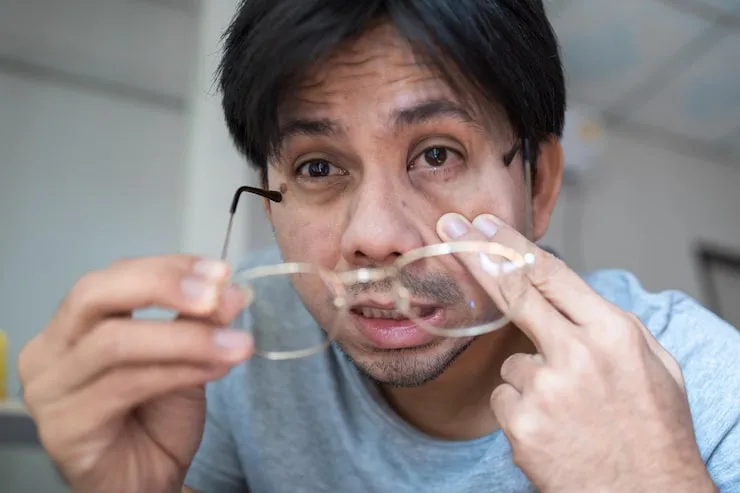
Dry eye syndrome is a frustrating and often chronic condition that affects millions of people globally. It causes discomfort, blurry vision, a gritty sensation, and sometimes excessive tearing. While screen time, aging, and environmental triggers are well-known culprits, there’s one lesser-known factor that might be silently making your dry eye worse: bacteria on your eyelids and lashes.
In this blog, we explore how bacterial buildup affects your eye health and how expert care from specialists like Mr. Rajesh Deshmukh, Consultant Ophthalmic Surgeon in London, can provide lasting relief.
What Is Dry Eye Syndrome?
Dry eye occurs when your eyes don’t produce enough tears or when the tears evaporate too quickly. This leads to inflammation, irritation, and visual discomfort.
Common symptoms include:
- Burning or stinging eyes
- Grittiness or foreign body sensation
- Blurred or fluctuating vision
- Redness and irritation
- Light sensitivity
- Watery eyes (a reflex response to dryness)
The Role of Bacteria in Worsening Dry Eye
We all have a natural colony of bacteria living on our skin, including around the eyelids and eyelashes. Normally, these microorganisms are harmless. However, when they multiply excessively or are not properly managed, they can cause chronic inflammation and worsen dry eye symptoms.
1. Bacterial Biofilm Buildup
Over time, bacteria form a sticky layer called a biofilm along the eyelid margins. This biofilm traps debris and creates an environment where harmful bacteria thrive. The result? Chronic irritation and inflammation of the eyelid — known as blepharitis.
2. Inflamed Meibomian Glands
These tiny glands along your eyelid margins secrete the oily layer of your tear film. When clogged due to biofilm or bacterial toxins, the oil supply is reduced, causing tears to evaporate faster — a key feature of evaporative dry eye.
3. Toxin Production
Certain bacteria release enzymes and toxins that break down the tear film and damage the ocular surface. This leads to inflammation, pain, and worsening dryness.
4. Demodex Mites and Bacteria
In some cases, the presence of Demodex mites — tiny parasites that live in hair follicles — works hand-in-hand with bacteria, leading to more severe blepharitis and dry eye symptoms.
Signs That Bacteria May Be Involved in Your Dry Eye
- Red, crusty eyelids (especially in the morning)
- Flaking at the base of your eyelashes
- Frequent styes or chalazia (eyelid bumps)
- Itchy, swollen eyelids
- Chronic, treatment-resistant dry eye symptoms
- Oily or foamy tears
If these symptoms sound familiar, it may be time for a comprehensive eyelid evaluation.
How Mr. Rajesh Deshmukh Can Help
As an experienced Consultant Eye Surgeon based in London, Mr. Rajesh Deshmukh specialises in diagnosing and managing dry eye disease — including cases complicated by bacterial overgrowth or blepharitis.
His approach includes:
Detailed Eyelid Examination
Using slit-lamp microscopy, he checks for signs of bacterial buildup, gland blockages, and inflammation.
Meibomian Gland Evaluation
Assesses the health of your tear-producing oil glands to identify signs of dysfunction or blockage.
Customized Treatment Plans
Based on your individual case, treatment may include a combination of therapies aimed at reducing bacteria, restoring gland function, and relieving inflammation.
Effective Treatments for Bacteria-Related Dry Eye
1. Lid Hygiene and Cleansing
Daily cleaning of the eyelid margins using:
- Antibacterial eyelid wipes
- Hypochlorous acid sprays
- Warm compresses to soften oil gland secretions
2. BlephEx™ In-Clinic Eyelid Cleaning
A painless, professional deep-cleaning treatment that removes bacterial biofilm, crusts, and debris from the eyelid margins. Often recommended for moderate to severe blepharitis.
3. Meibomian Gland Expression
Manual or device-assisted gland massage to unblock and improve oil flow.
4. Antibiotic Therapy
Topical or oral antibiotics like azithromycin or doxycycline may be prescribed in persistent or infected cases.
5. Artificial Tears and Lubricants
Preservative-free eye drops help soothe inflammation and replenish the tear film.
6. Anti-Inflammatory Drops
Steroid or cyclosporine-based drops may be used to reduce chronic inflammation.
Preventing Bacterial Build-Up: Eye Hygiene Tips
- Clean eyelids daily with a dedicated eyelid cleanser
- Remove makeup thoroughly before bed
- Avoid touching your eyes with unwashed hands
- Use preservative-free artificial tears
- Replace eye cosmetics regularly to avoid contamination
Don’t Let Bacteria Complicate Your Dry Eye
Dry eye isn’t just about dryness — it’s often a complex inflammatory condition involving multiple layers of the ocular surface and lid margins. If traditional treatments haven’t worked, bacteria could be the hidden factor.
Mr. Rajesh Deshmukh, with his specialist experience in dry eye and ocular surface disease, offers comprehensive, customised care that targets the root cause — not just the symptoms.
Book Your Eye Consultation in London
Tired of battling dry eye with no relief? Get expert help today.
Visit: https://rajeshdeshmukh.co.uk
Contact: Schedule your consultation with Mr. Rajesh Deshmukh, leading eye specialist in London.

