 Trustpilot



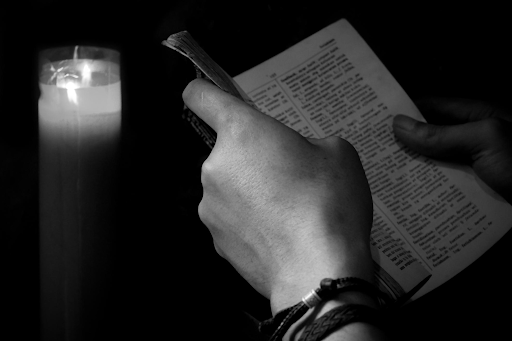
"Stop reading in the dark, you'll ruin your eyes!"
If you heard this warning growing up, you’re not alone. For generations, parents have cautioned children about reading in dim light, convinced it causes permanent eye damage. But is there any scientific truth to this age-old advice, or is it simply a myth that’s been passed down through the years?
As a consultant ophthalmologist practising in London, I’m frequently asked this question by concerned patients. The answer might surprise you. Let’s dive into the science behind reading in low light and discover what really happens to your eyes when you curl up with a book in dimly lit conditions.
The Short Answer: It's Complicated
Here’s the truth: reading in low light does NOT cause permanent damage to your eyes. However, it can lead to temporary discomfort and may worsen certain symptoms if you have underlying vision problems.
Think of it like running a marathon—your leg muscles might ache afterwards, but they’re not permanently damaged. Similarly, your eyes might feel strained after reading in poor lighting, but this discomfort is temporary and reversible.
Let’s explore the science behind this in detail.
How Your Eyes Adapt to Low Light
Your eyes are remarkably sophisticated organs designed to function across a wide range of lighting conditions. Understanding how they adapt to darkness helps explain why dim light reading causes discomfort but not damage.
The Pupil Response
When you enter a dimly lit room, your pupils dilate (expand) to allow more light to enter the eye. This process, called the pupillary light reflex, happens automatically within seconds.
In bright light: Pupils constrict to 2-4mm diameter In dim light: Pupils dilate to 4-8mm diameter
This dilation maximizes the amount of available light reaching your retina, similar to how a camera aperture opens wider in low-light conditions.
Rod and Cone Activation
Your retina contains two types of photoreceptor cells:
Cones: Responsible for colour vision and detailed central vision; work best in bright light
Rods: Highly sensitive to light; enable night vision and peripheral awareness; cannot detect colour
In low light, your eyes gradually shift from cone-dominant vision to rod-dominant vision. This transition, called dark adaptation, takes approximately 20-30 minutes to complete fully.
Here’s the crucial point: reading requires detailed central vision and colour discrimination—tasks that cones handle. When you read in dim light, you’re asking your cone cells to work harder with insufficient illumination, forcing your visual system into overdrive.
What Actually Happens When You Read in Low Light
Eye Strain (Asthenopia)
The most common consequence of reading in poor lighting is eye strain or asthenopia. This isn’t eye damage—it’s eye fatigue.
Symptoms include:
- Tired, aching eyes
- Difficulty focusing
- Headaches, particularly around the temples or forehead
- Watery or dry eyes
- Blurred vision that improves after rest
- Neck and shoulder tension
Why it happens: In low light, your eye muscles work harder to:
- Keep pupils dilated
- Maintain focus on small text
- Adjust constantly between the page and surroundings
- Compensate for reduced contrast between text and background
This extra muscular effort leads to fatigue, similar to how your arm would tire from holding a heavy object for an extended period.
Reduced Blink Rate
Research published in Optometry and Vision Science shows that people blink approximately 60% less frequently when reading in challenging conditions, including low light.
Normal blink rate: 15-20 blinks per minute Reading in low light: 6-8 blinks per minute
Each blink spreads tears across your cornea, keeping it lubricated and clear. Fewer blinks mean:
- Increased tear evaporation
- Dry, irritated eyes
- Temporary blurred vision
- Gritty or burning sensations
These symptoms resolve quickly once you return to normal blinking patterns, causing no lasting harm.
Slower Reading Speed and Comprehension
Studies demonstrate that reading in suboptimal lighting significantly impacts performance:
- Reading speed decreases by 20-30%
- Comprehension drops by approximately 15%
- Error rates increase
- Mental fatigue sets in faster
This isn’t because your eyes are damaged—it’s because your brain receives poorer quality visual information and must work harder to process it.
The Historical Origins of the Myth
So if reading in low light doesn’t cause permanent damage, where did this persistent belief originate?
The Pre-Electricity Era
Before widespread electrification in the early 20th century, people relied on candles, oil lamps, and gas lighting. These sources provided:
- Inconsistent, flickering light
- Smoke and fumes that irritated eyes
- Significantly lower illumination levels than modern lighting
- Potential fire hazards
Reading for extended periods under these conditions genuinely caused eye discomfort and irritation—but from smoke and poor air quality, not the low light itself.
Association vs. Causation
Many people who developed vision problems in childhood recall reading in dim light. However, this is correlation, not causation.
The real explanation: Children who unknowingly have refractive errors (nearsightedness, farsightedness, or astigmatism) often:
- Prefer reading in specific lighting to minimize symptoms
- Bring books very close to their face
- Squint or strain to see clearly
Parents noticed these behaviours and associated them with poor lighting, when actually the child had an undiagnosed vision problem all along.
Conditions That May Worsen with Low Light Reading
While low light doesn’t cause permanent damage to healthy eyes, it can exacerbate symptoms of certain conditions:
Uncorrected Refractive Errors
If you have myopia (nearsightedness), hyperopia (farsightedness), or astigmatism, reading in dim light magnifies existing focusing problems.
What happens: Your eyes must work even harder to compensate for the refractive error, leading to:
- Severe headaches
- Pronounced eye strain
- Faster onset of fatigue
- Potential worsening of myopia progression in children (though this is debated)
Solution: Ensure you have an up-to-date prescription and wear corrective lenses when reading, especially in suboptimal lighting.
Presbyopia (Age-Related Reading Difficulty)
Presbyopia affects virtually everyone over 40. The eye’s natural lens becomes less flexible, making it harder to focus on close objects.
Reading in low light is particularly challenging with presbyopia because:
- Pupils dilate in dim light, reducing depth of field
- Less light reaches the retina, making small text harder to distinguish
- The aging lens may develop early cataract changes that scatter light
Solution: Use adequate lighting and reading glasses prescribed specifically for your working distance.
Dry Eye Syndrome
People with chronic dry eye experience amplified symptoms when reading in low light due to:
- Reduced blink rate
- Increased eye strain causing reflex tearing (paradoxically followed by more dryness)
- Greater difficulty maintaining a stable tear film
Solution: Use preservative-free artificial tears before and during reading sessions, and ensure proper lighting.
Macular Degeneration
Patients with early age-related macular degeneration (AMD) often notice that reading in poor light becomes disproportionately difficult.
Low light doesn’t cause or worsen AMD, but it does make existing central vision loss more noticeable because:
- Less light reaches an already compromised macula
- Contrast sensitivity decreases further
- Reading becomes frustrating and exhausting
Solution: Use high-intensity, focused lighting and consider magnification aids recommended by your ophthalmologist.
What Science Says: Key Research Findings
Study 1: No Evidence of Retinal Damage
A landmark study in the American Journal of Ophthalmology examined retinal health in people who regularly read in low light versus those who didn’t. Researchers found no difference in:
- Retinal structure or thickness
- Photoreceptor cell density
- Long-term visual acuity
- Risk of retinal diseases
Conclusion: Low light reading causes temporary discomfort but no permanent structural changes.
Study 2: Eye Strain is Temporary
Research published in Investigative Ophthalmology & Visual Science measured eye muscle fatigue after sustained reading in various lighting conditions.
Findings:
- Eye strain symptoms peaked during and immediately after reading in dim light
- All symptoms resolved within 30-60 minutes of rest
- No cumulative effects were observed with repeated exposure
- Participants showed normal visual function after recovery
Study 3: Children and Myopia Progression
Some studies have suggested a potential link between low light and myopia progression in children, but the evidence is mixed.
A comprehensive review in Ophthalmology concluded:
- Outdoor time (exposure to bright natural light) is protective against myopia
- Indoor reading in low light may correlate with myopia, but this is likely due to prolonged near work, not the lighting itself
- Proper lighting during near work is still recommended for comfort
Bottom line: Low light doesn’t cause myopia, but insufficient outdoor time and excessive close-up work do contribute to its development.
Optimal Lighting for Reading: Evidence-Based Recommendations
While reading in low light won’t permanently harm your eyes, proper lighting enhances comfort, comprehension, and enjoyment. Here’s what science recommends:
Ideal Illumination Levels
For general reading:
- 300-500 lux (lumens per square meter) for comfortable reading
- 500-750 lux for older adults or those with vision impairments
- Avoid extreme contrasts between the reading material and surroundings
For comparison:
- Full daylight outdoors: 10,000-25,000 lux
- Office lighting: 320-500 lux
- Candlelight: approximately 10-15 lux
- Moonlight: less than 1 lux
Types of Lighting
Task lighting (best for reading): Position a focused light source to illuminate your reading material directly without creating glare or shadows.
- LED desk lamps with adjustable arms: Allow precise positioning
- Colour temperature: 4000-5000K (neutral white) is ideal for reading
- Avoid: Overhead lighting alone, which creates shadows on the page
Ambient lighting: Maintain moderate background lighting to reduce the contrast between your book and the surrounding environment. This prevents your pupils from constantly dilating and constricting as you look up and down.
Natural light: Daylight is the gold standard for reading, providing:
- Full spectrum illumination
- Excellent colour rendering
- Minimal eye strain
- Mood and alertness benefits
Warning: Avoid direct sunlight on the page, which creates excessive glare and heat.
Special Considerations
Digital reading (e-readers, tablets, phones):
- Use devices with adjustable backlighting
- Enable “night mode” with warmer colour temperatures in the evening
- Consider e-ink displays that don’t emit light directly into eyes
- Position screens to avoid reflections and glare
Older adults: People over 60 need approximately 2-3 times more light than younger adults for the same visual tasks due to:
- Smaller pupil size (senile miosis)
- Lens yellowing that filters out blue light
- Reduced retinal sensitivity
Practical Tips for Comfortable Reading
The 20-20-20 Rule
To prevent eye strain during extended reading sessions:
- Every 20 minutes, look at something 20 feet away for 20 seconds
This simple exercise relaxes your focusing muscles and encourages blinking, preventing strain regardless of lighting conditions.
Optimal Reading Position
Book placement:
- Hold reading material 14-16 inches (35-40cm) from your eyes
- Angle slightly downward (10-15 degrees below horizontal eye level)
- Ensure the entire page is evenly illuminated
Body posture:
- Sit in a supportive chair with good back support
- Keep feet flat on the floor
- Position the light source over your shoulder (opposite your dominant hand to avoid shadows)
Environmental Adjustments
Reduce glare:
- Use matte or non-glossy paper when possible
- Position yourself to avoid reflections from windows or light fixtures
- Consider anti-reflective coatings on reading glasses
Control contrast:
- Black text on white paper provides optimal contrast
- Avoid reading white text on black backgrounds (negative contrast) for extended periods
- For digital reading, adjust screen brightness to match ambient lighting
When to Take a Break
Stop reading if you experience:
- Persistent headaches
- Blurred vision that doesn’t clear with blinking
- Burning or stinging eyes
- Difficulty focusing
- Neck or shoulder pain
These are signs your eyes need rest, not indicators of permanent damage.
Digital Screens vs. Printed Books in Low Light
The rise of digital reading has introduced new considerations:
E-Readers (E-Ink Displays)
Advantages:
- Built-in front lighting illuminates the page without shining directly into eyes
- Adjustable brightness and colour temperature
- Can be read comfortably in total darkness
- Less eye strain than backlit screens
Best for: Bedtime reading in dark rooms
Tablets and Smartphones (LCD/OLED Screens)
Disadvantages:
- Emit blue light that can disrupt sleep patterns
- Cause more eye strain than e-ink displays
- Require frequent brightness adjustments as ambient light changes
Mitigation strategies:
- Enable blue light filters in the evening
- Use “dark mode” sparingly (can reduce blink rate)
- Maintain adequate ambient lighting—never read on bright screens in complete darkness
Printed Books
Advantages:
- No blue light emission
- No screen glare
- More comfortable for extended reading sessions
Disadvantages:
- Require external lighting
- Can’t be read in complete darkness
- May be difficult for people with vision impairments (fixed text size)
The Psychology of Reading Habits
Interestingly, many people who claim to prefer reading in dim light aren’t actually motivated by comfort—it’s often about atmosphere and routine.
Common reasons:
- Reading before bed in a dark bedroom (to avoid disturbing a partner)
- Creating a cozy, relaxed ambiance
- Reducing visual distractions in the environment
- Habit formed in childhood
If this describes you, consider these alternatives that preserve the atmosphere while protecting your comfort:
- Use a small, focused reading light or book light
- Try a warm-toned LED with dimmer controls
- Position yourself so light doesn’t disturb others
- Use an e-reader with adjustable warm lighting
Special Situations: When Low Light Reading Requires Extra Caution
Children and Teenagers
While low light doesn’t cause permanent damage, establishing good reading habits in childhood is important:
Why it matters:
- Children’s eyes are still developing
- Poor lighting can mask early vision problems
- Myopia progression may be influenced by reading habits
- Building healthy habits prevents adult eye strain
Recommendations:
- Ensure children have adequate lighting for homework and reading
- Limit screen time before bed
- Encourage outdoor play (protective against myopia development)
- Schedule regular eye examinations to detect refractive errors early
"Stop reading in the dark, you'll ruin your eyes!"
If you heard this warning growing up, you’re not alone. For generations, parents have cautioned children about reading in dim light, convinced it causes permanent eye damage. But is there any scientific truth to this age-old advice, or is it simply a myth that’s been passed down through the years?
As a consultant ophthalmologist practising in London, I’m frequently asked this question by concerned patients. The answer might surprise you. Let’s dive into the science behind reading in low light and discover what really happens to your eyes when you curl up with a book in dimly lit conditions.
The Short Answer: It's Complicated
Here’s the truth: reading in low light does NOT cause permanent damage to your eyes. However, it can lead to temporary discomfort and may worsen certain symptoms if you have underlying vision problems.
Think of it like running a marathon—your leg muscles might ache afterwards, but they’re not permanently damaged. Similarly, your eyes might feel strained after reading in poor lighting, but this discomfort is temporary and reversible.
Let’s explore the science behind this in detail.
How Your Eyes Adapt to Low Light
Your eyes are remarkably sophisticated organs designed to function across a wide range of lighting conditions. Understanding how they adapt to darkness helps explain why dim light reading causes discomfort but not damage.
The Pupil Response
When you enter a dimly lit room, your pupils dilate (expand) to allow more light to enter the eye. This process, called the pupillary light reflex, happens automatically within seconds.
In bright light: Pupils constrict to 2-4mm diameter In dim light: Pupils dilate to 4-8mm diameter
This dilation maximizes the amount of available light reaching your retina, similar to how a camera aperture opens wider in low-light conditions.
Rod and Cone Activation
Your retina contains two types of photoreceptor cells:
Cones: Responsible for colour vision and detailed central vision; work best in bright light
Rods: Highly sensitive to light; enable night vision and peripheral awareness; cannot detect colour
In low light, your eyes gradually shift from cone-dominant vision to rod-dominant vision. This transition, called dark adaptation, takes approximately 20-30 minutes to complete fully.
Here’s the crucial point: reading requires detailed central vision and colour discrimination—tasks that cones handle. When you read in dim light, you’re asking your cone cells to work harder with insufficient illumination, forcing your visual system into overdrive.
What Actually Happens When You Read in Low Light
Eye Strain (Asthenopia)
The most common consequence of reading in poor lighting is eye strain or asthenopia. This isn’t eye damage—it’s eye fatigue.
Symptoms include:
- Tired, aching eyes
- Difficulty focusing
- Headaches, particularly around the temples or forehead
- Watery or dry eyes
- Blurred vision that improves after rest
- Neck and shoulder tension
Why it happens: In low light, your eye muscles work harder to:
- Keep pupils dilated
- Maintain focus on small text
- Adjust constantly between the page and surroundings
- Compensate for reduced contrast between text and background
This extra muscular effort leads to fatigue, similar to how your arm would tire from holding a heavy object for an extended period.
Reduced Blink Rate
Research published in Optometry and Vision Science shows that people blink approximately 60% less frequently when reading in challenging conditions, including low light.
Normal blink rate: 15-20 blinks per minute Reading in low light: 6-8 blinks per minute
Each blink spreads tears across your cornea, keeping it lubricated and clear. Fewer blinks mean:
- Increased tear evaporation
- Dry, irritated eyes
- Temporary blurred vision
- Gritty or burning sensations
These symptoms resolve quickly once you return to normal blinking patterns, causing no lasting harm.
Slower Reading Speed and Comprehension
Studies demonstrate that reading in suboptimal lighting significantly impacts performance:
- Reading speed decreases by 20-30%
- Comprehension drops by approximately 15%
- Error rates increase
- Mental fatigue sets in faster
This isn’t because your eyes are damaged—it’s because your brain receives poorer quality visual information and must work harder to process it.
The Historical Origins of the Myth
So if reading in low light doesn’t cause permanent damage, where did this persistent belief originate?
The Pre-Electricity Era
Before widespread electrification in the early 20th century, people relied on candles, oil lamps, and gas lighting. These sources provided:
- Inconsistent, flickering light
- Smoke and fumes that irritated eyes
- Significantly lower illumination levels than modern lighting
- Potential fire hazards
Reading for extended periods under these conditions genuinely caused eye discomfort and irritation—but from smoke and poor air quality, not the low light itself.
Association vs. Causation
Many people who developed vision problems in childhood recall reading in dim light. However, this is correlation, not causation.
The real explanation: Children who unknowingly have refractive errors (nearsightedness, farsightedness, or astigmatism) often:
- Prefer reading in specific lighting to minimize symptoms
- Bring books very close to their face
- Squint or strain to see clearly
Parents noticed these behaviours and associated them with poor lighting, when actually the child had an undiagnosed vision problem all along.
Conditions That May Worsen with Low Light Reading
While low light doesn’t cause permanent damage to healthy eyes, it can exacerbate symptoms of certain conditions:
Uncorrected Refractive Errors
If you have myopia (nearsightedness), hyperopia (farsightedness), or astigmatism, reading in dim light magnifies existing focusing problems.
What happens: Your eyes must work even harder to compensate for the refractive error, leading to:
- Severe headaches
- Pronounced eye strain
- Faster onset of fatigue
- Potential worsening of myopia progression in children (though this is debated)
Solution: Ensure you have an up-to-date prescription and wear corrective lenses when reading, especially in suboptimal lighting.
Presbyopia (Age-Related Reading Difficulty)
Presbyopia affects virtually everyone over 40. The eye’s natural lens becomes less flexible, making it harder to focus on close objects.
Reading in low light is particularly challenging with presbyopia because:
- Pupils dilate in dim light, reducing depth of field
- Less light reaches the retina, making small text harder to distinguish
- The aging lens may develop early cataract changes that scatter light
Solution: Use adequate lighting and reading glasses prescribed specifically for your working distance.
Dry Eye Syndrome
People with chronic dry eye experience amplified symptoms when reading in low light due to:
- Reduced blink rate
- Increased eye strain causing reflex tearing (paradoxically followed by more dryness)
- Greater difficulty maintaining a stable tear film
Solution: Use preservative-free artificial tears before and during reading sessions, and ensure proper lighting.
Macular Degeneration
Patients with early age-related macular degeneration (AMD) often notice that reading in poor light becomes disproportionately difficult.
Low light doesn’t cause or worsen AMD, but it does make existing central vision loss more noticeable because:
- Less light reaches an already compromised macula
- Contrast sensitivity decreases further
- Reading becomes frustrating and exhausting
Solution: Use high-intensity, focused lighting and consider magnification aids recommended by your ophthalmologist.
What Science Says: Key Research Findings
Study 1: No Evidence of Retinal Damage
A landmark study in the American Journal of Ophthalmology examined retinal health in people who regularly read in low light versus those who didn’t. Researchers found no difference in:
- Retinal structure or thickness
- Photoreceptor cell density
- Long-term visual acuity
- Risk of retinal diseases
Conclusion: Low light reading causes temporary discomfort but no permanent structural changes.
Study 2: Eye Strain is Temporary
Research published in Investigative Ophthalmology & Visual Science measured eye muscle fatigue after sustained reading in various lighting conditions.
Findings:
- Eye strain symptoms peaked during and immediately after reading in dim light
- All symptoms resolved within 30-60 minutes of rest
- No cumulative effects were observed with repeated exposure
- Participants showed normal visual function after recovery
Study 3: Children and Myopia Progression
Some studies have suggested a potential link between low light and myopia progression in children, but the evidence is mixed.
A comprehensive review in Ophthalmology concluded:
- Outdoor time (exposure to bright natural light) is protective against myopia
- Indoor reading in low light may correlate with myopia, but this is likely due to prolonged near work, not the lighting itself
- Proper lighting during near work is still recommended for comfort
Bottom line: Low light doesn’t cause myopia, but insufficient outdoor time and excessive close-up work do contribute to its development.
Optimal Lighting for Reading: Evidence-Based Recommendations
While reading in low light won’t permanently harm your eyes, proper lighting enhances comfort, comprehension, and enjoyment. Here’s what science recommends:
Ideal Illumination Levels
For general reading:
- 300-500 lux (lumens per square meter) for comfortable reading
- 500-750 lux for older adults or those with vision impairments
- Avoid extreme contrasts between the reading material and surroundings
For comparison:
- Full daylight outdoors: 10,000-25,000 lux
- Office lighting: 320-500 lux
- Candlelight: approximately 10-15 lux
- Moonlight: less than 1 lux
Types of Lighting
Task lighting (best for reading): Position a focused light source to illuminate your reading material directly without creating glare or shadows.
- LED desk lamps with adjustable arms: Allow precise positioning
- Colour temperature: 4000-5000K (neutral white) is ideal for reading
- Avoid: Overhead lighting alone, which creates shadows on the page
Ambient lighting: Maintain moderate background lighting to reduce the contrast between your book and the surrounding environment. This prevents your pupils from constantly dilating and constricting as you look up and down.
Natural light: Daylight is the gold standard for reading, providing:
- Full spectrum illumination
- Excellent colour rendering
- Minimal eye strain
- Mood and alertness benefits
Warning: Avoid direct sunlight on the page, which creates excessive glare and heat.
Special Considerations
Digital reading (e-readers, tablets, phones):
- Use devices with adjustable backlighting
- Enable “night mode” with warmer colour temperatures in the evening
- Consider e-ink displays that don’t emit light directly into eyes
- Position screens to avoid reflections and glare
Older adults: People over 60 need approximately 2-3 times more light than younger adults for the same visual tasks due to:
- Smaller pupil size (senile miosis)
- Lens yellowing that filters out blue light
- Reduced retinal sensitivity
Practical Tips for Comfortable Reading
The 20-20-20 Rule
To prevent eye strain during extended reading sessions:
- Every 20 minutes, look at something 20 feet away for 20 seconds
This simple exercise relaxes your focusing muscles and encourages blinking, preventing strain regardless of lighting conditions.
Optimal Reading Position
Book placement:
- Hold reading material 14-16 inches (35-40cm) from your eyes
- Angle slightly downward (10-15 degrees below horizontal eye level)
- Ensure the entire page is evenly illuminated
Body posture:
- Sit in a supportive chair with good back support
- Keep feet flat on the floor
- Position the light source over your shoulder (opposite your dominant hand to avoid shadows)
Environmental Adjustments
Reduce glare:
- Use matte or non-glossy paper when possible
- Position yourself to avoid reflections from windows or light fixtures
- Consider anti-reflective coatings on reading glasses
Control contrast:
- Black text on white paper provides optimal contrast
- Avoid reading white text on black backgrounds (negative contrast) for extended periods
- For digital reading, adjust screen brightness to match ambient lighting
When to Take a Break
Stop reading if you experience:
- Persistent headaches
- Blurred vision that doesn’t clear with blinking
- Burning or stinging eyes
- Difficulty focusing
- Neck or shoulder pain
These are signs your eyes need rest, not indicators of permanent damage.
Digital Screens vs. Printed Books in Low Light
The rise of digital reading has introduced new considerations:
E-Readers (E-Ink Displays)
Advantages:
- Built-in front lighting illuminates the page without shining directly into eyes
- Adjustable brightness and colour temperature
- Can be read comfortably in total darkness
- Less eye strain than backlit screens
Best for: Bedtime reading in dark rooms
Tablets and Smartphones (LCD/OLED Screens)
Disadvantages:
- Emit blue light that can disrupt sleep patterns
- Cause more eye strain than e-ink displays
- Require frequent brightness adjustments as ambient light changes
Mitigation strategies:
- Enable blue light filters in the evening
- Use “dark mode” sparingly (can reduce blink rate)
- Maintain adequate ambient lighting—never read on bright screens in complete darkness
Printed Books
Advantages:
- No blue light emission
- No screen glare
- More comfortable for extended reading sessions
Disadvantages:
- Require external lighting
- Can’t be read in complete darkness
- May be difficult for people with vision impairments (fixed text size)
The Psychology of Reading Habits
Interestingly, many people who claim to prefer reading in dim light aren’t actually motivated by comfort—it’s often about atmosphere and routine.
Common reasons:
- Reading before bed in a dark bedroom (to avoid disturbing a partner)
- Creating a cozy, relaxed ambiance
- Reducing visual distractions in the environment
- Habit formed in childhood
If this describes you, consider these alternatives that preserve the atmosphere while protecting your comfort:
- Use a small, focused reading light or book light
- Try a warm-toned LED with dimmer controls
- Position yourself so light doesn’t disturb others
- Use an e-reader with adjustable warm lighting
Special Situations: When Low Light Reading Requires Extra Caution
Children and Teenagers
While low light doesn’t cause permanent damage, establishing good reading habits in childhood is important:
Why it matters:
- Children’s eyes are still developing
- Poor lighting can mask early vision problems
- Myopia progression may be influenced by reading habits
- Building healthy habits prevents adult eye strain
Recommendations:
- Ensure children have adequate lighting for homework and reading
- Limit screen time before bed
- Encourage outdoor play (protective against myopia development)
- Schedule regular eye examinations to detect refractive errors early
Night Shift Workers
People who work nights often read during daylight hours for sleep. This presents unique challenges:
The problem: Your circadian rhythm expects darkness during the day, but you need light to read comfortably.
Solutions:
- Use blackout curtains to darken the room
- Employ focused task lighting on reading material only
- Avoid blue-enriched light that signals your brain to stay awake
- Consider warm-toned (2700-3000K) LEDs
Post-Eye Surgery
After procedures like cataract surgery, LASIK, or retinal surgery:
Temporarily avoid:
- Reading in very dim conditions
- Prolonged reading sessions
- Straining to see small text
Reason: Your eyes need time to heal, and extra strain can cause discomfort (though not damage to surgical results).
Always follow your ophthalmologist’s specific post-operative instructions.
When to See an Ophthalmologist
While reading in low light doesn’t cause permanent harm, certain symptoms warrant professional evaluation:
Schedule an appointment if you experience:
- Persistent eye strain despite good lighting
- Headaches that occur specifically during or after reading
- Difficulty seeing clearly at any distance
- Need to hold reading material closer or farther away than usual
- Halos or glare around lights
- Double vision
- Eye pain or redness
- Sudden changes in vision quality
These symptoms may indicate:
- Uncorrected refractive errors
- Presbyopia requiring reading glasses
- Early cataracts
- Dry eye syndrome
- Underlying health conditions (diabetes, high blood pressure)
Important: Children should have comprehensive eye examinations at:
- 6 months of age
- 3 years old
- Before starting school
- Every 1-2 years thereafter, or as recommended
Early detection of vision problems prevents learning difficulties and establishes healthy visual habits.
It's Safe, But Not Ideal
Reading in low light won’t permanently damage your eyes or cause blindness. However, it will:
- Cause temporary discomfort and eye strain
- Reduce reading efficiency and comprehension
- Potentially trigger headaches
- Make existing vision problems more noticeable
Optimize Your Environment
Rather than worrying about occasional dim light reading:
- Invest in quality task lighting for regular reading sessions
- Ensure your prescription is current
- Practice good reading ergonomics
- Take regular breaks to rest your eyes
- Schedule annual eye examinations
Listen to Your Body
If reading in low light causes discomfort, it’s your eyes signaling they’re working too hard. This won’t cause permanent damage, but why make reading an uncomfortable experience?
Proper lighting transforms reading from a strain-inducing chore into the relaxing, enjoyable activity it should be.
Conclusion: An Old Wives' Tale with a Grain of Truth
The warning that reading in dim light will ruin your eyes is largely a myth—there’s no scientific evidence that it causes permanent structural damage or vision loss.
However, like many old wives’ tales, it contains a kernel of wisdom: reading in inadequate lighting makes your eyes work harder than necessary, causing temporary but very real discomfort.
Think of proper lighting not as a way to prevent damage, but as a means to enhance your reading experience. Just as you wouldn’t try to run a marathon in uncomfortable shoes, why strain your eyes unnecessarily when simple adjustments can make reading more enjoyable?
Your eyes are remarkably resilient organs capable of adapting to varied conditions. Trust them to tell you what they need—if reading feels uncomfortable, improve your lighting. It’s that simple.
So go ahead and enjoy that late-night chapter if you must, but do your eyes (and your comprehension) a favour: turn on a proper light.
About US
Mr Rajesh Deshmukh is a consultant ophthalmologist with over 15 years of experience providing comprehensive eye care in London. He specializes in cataract surgery, refractive errors, and preventive eye health. His practice emphasizes evidence-based care and patient education to help individuals maintain optimal vision throughout their lives.
Book Your Eye Examination
Experiencing eye strain, headaches, or difficulty reading? These symptoms may indicate an underlying vision problem that’s easily correctable with proper glasses or treatment.
Schedule a comprehensive eye examination to ensure your eyes are healthy and your prescription is current. We offer thorough assessments, personalized recommendations, and the latest treatment options.
Contact us today or visit rajeshdeshmukh.co.uk to book your appointment.

