Trustpilot



Cataract surgery is one of the most reliable procedures in medicine.
In the right setting, it is routine. The process is well understood, and outcomes are consistently good. Over time, you come to expect that level of predictability.
What is less predictable is access to it.
I work as a Consultant Ophthalmic Surgeon at Moorfields Eye Hospital in London. In that setting, the availability of care is rarely in question. Patients are able to receive treatment at the point they need it, and the outcome is usually straightforward.
But that is not always the case elsewhere.
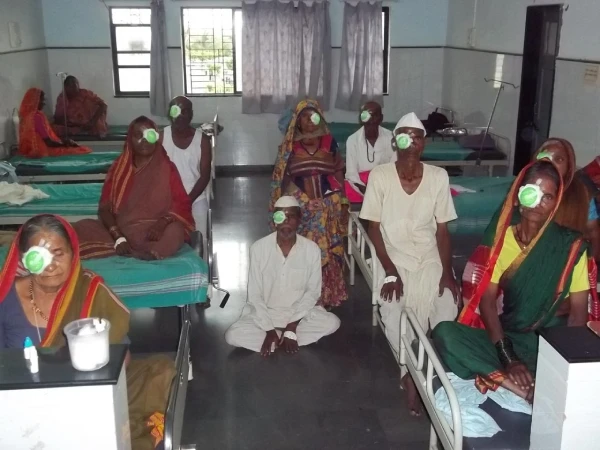
During a visit to Rotary Eye Hospital Dharashiv in Dharashiv, I saw the same procedure in a very different context. The clinical work itself was familiar, but what differed was everything around it.
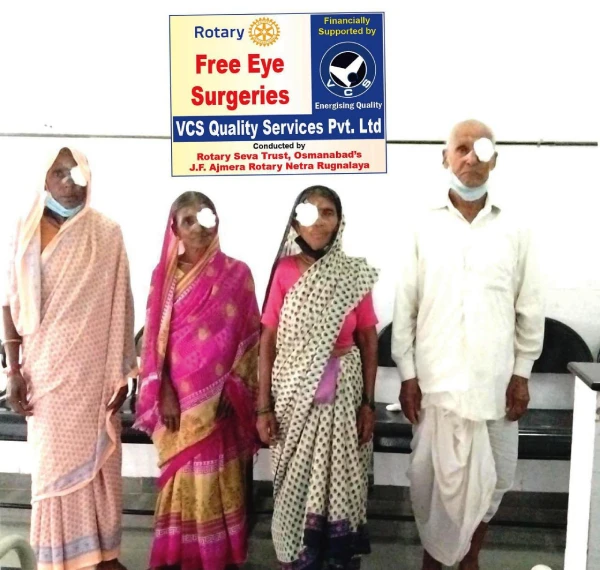
Patients were waiting not because treatment was unavailable, but because it was not affordable at the time they needed it.
That difference is not immediately obvious in theory. It becomes very clear in practice.
One patient had gradually stopped going out independently due to reduced vision. It hadn’t changed all at once, but over time, his routine had become more limited. After surgery, he was able to walk out on his own again.
Another patient spoke about wanting to manage daily tasks without relying on others. That was her main concern.
From a clinical perspective, these are straightforward procedures. But without access, they become long-term limitations.
That stayed with me.
The difference is not in the complexity of the treatment. It is whether that treatment is available at the right time. Once you see that clearly, it is difficult to ignore.
The past two years have also been personally challenging. I have had knee surgery, a heart attack in April 2024, and shoulder surgery. Taking on a trek like this was not something I had planned in this way, but it has become an opportunity to support something practical.
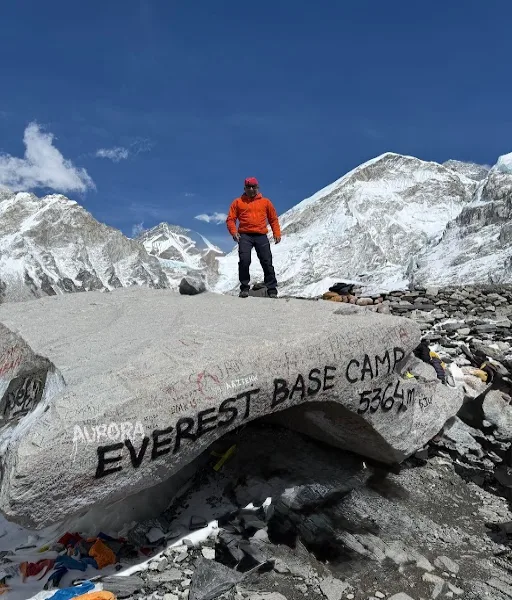
I am currently trekking to Everest Base Camp in Nepal during March–April 2026.
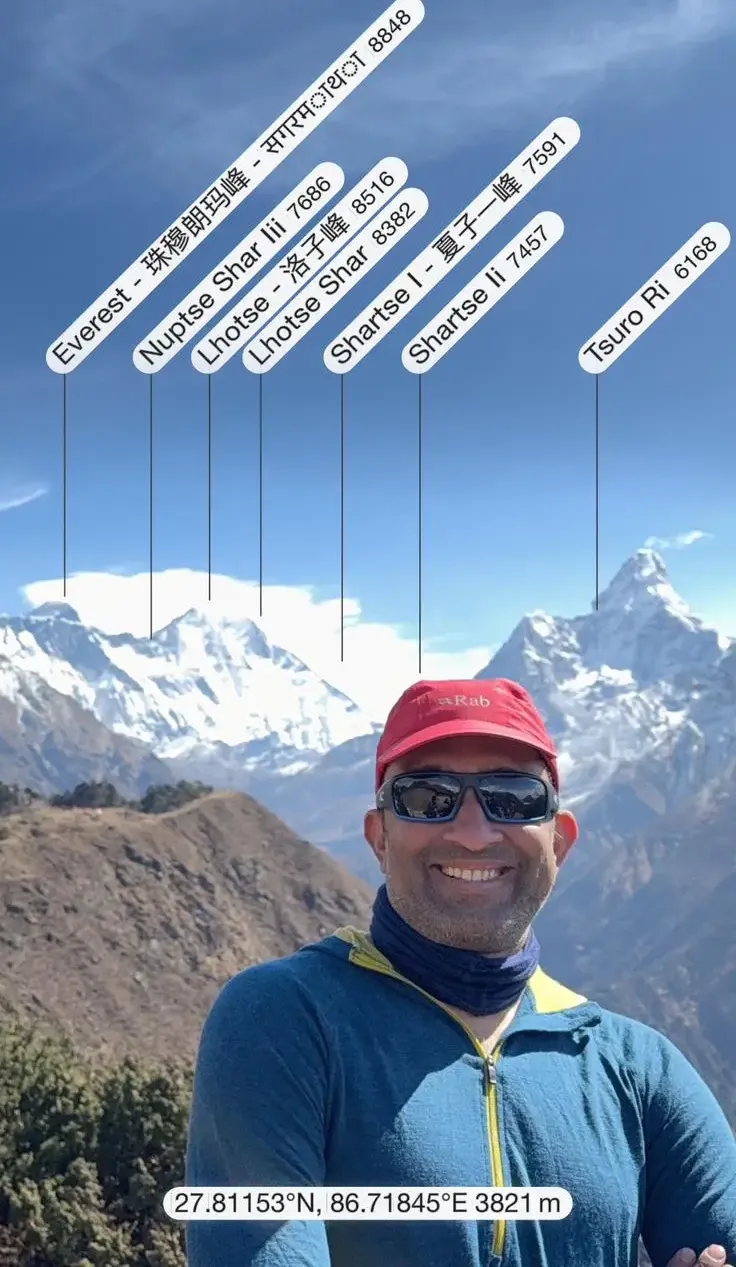
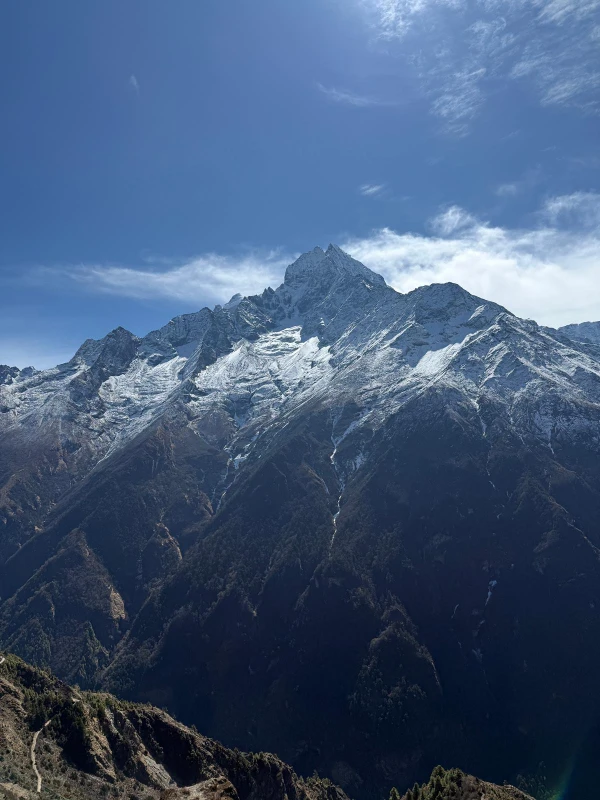
Most days start early. You walk for a few hours, stop briefly, and then continue. At this altitude, even a steady pace feels slower than expected. After a point, your attention shifts to smaller adjustments pace, breathing, distance.
I have done similar treks before, but this one feels different.
This effort is aimed at supporting a free cataract surgery camp at Rotary Eye Hospital Dharashiv, with the support of Prayag Vision Foundation.
In practical terms, relatively small amounts can enable access to treatment that would otherwise not be possible. Approximately £30 can support one cataract surgery, and the intention is to support around 100 patients through this effort.
All funds will be personally transferred by me to support these surgeries, and I will continue to share updates from the trek as well as from the outcomes that follow.
Many of the patients I met needed only a short procedure but did not have access to it.
If you would like to be part of this effort, your support would be greatly appreciated. Even a small contribution can help enable access to treatment for someone who would otherwise go without it.
—
Mr Rajesh Deshmukh
Consultant Ophthalmic Surgeon
Moorfields Eye hospital, London