 Trustpilot



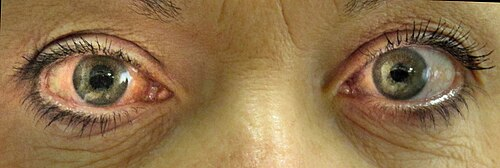
Glaucoma is often called the “silent thief of sight” because it can damage vision gradually without noticeable symptoms in its early stages. Millions of people worldwide live with glaucoma, and many are unaware they have it until significant vision loss has already occurred.
The good news is that early detection and treatment can slow or prevent further damage. Understanding the warning signs of glaucoma and scheduling regular eye examinations can help protect your vision for years to come.
What Is Glaucoma?
Glaucoma is a group of eye conditions that damage the optic nerve, which carries visual information from the eye to the brain. This damage is often associated with increased pressure inside the eye, known as intraocular pressure (IOP).
If left untreated, glaucoma can lead to permanent vision loss and blindness.
Why Early Detection Matters
Unlike many eye conditions, glaucoma often develops slowly and painlessly. By the time symptoms become noticeable, irreversible damage may have already occurred.
Early diagnosis allows eye specialists to:
- Monitor disease progression
- Lower eye pressure
- Preserve remaining vision
- Reduce the risk of blindness
Regular eye examinations remain the most effective way to detect glaucoma before symptoms develop.
Common Symptoms of Glaucoma
Symptoms vary depending on the type and stage of glaucoma.
Early-Stage Glaucoma
In most cases, early glaucoma causes no noticeable symptoms.
Patients may have:
- Normal vision
- No pain
- No obvious warning signs
This is why glaucoma is frequently discovered during routine eye exams.
Progressive Glaucoma Symptoms
As optic nerve damage worsens, symptoms may include:
Gradual Loss of Peripheral Vision
One of the earliest signs is the loss of side vision.
You may notice:
- Difficulty seeing objects beside you
- Bumping into objects
- Reduced awareness of your surroundings
This change often occurs slowly and may go unnoticed for years.
Tunnel Vision
In advanced glaucoma, peripheral vision becomes increasingly restricted.
Patients may experience:
- Narrowed visual field
- Tunnel-like vision
- Difficulty navigating unfamiliar environments
Without treatment, central vision may eventually become affected.
Symptoms of Acute Angle-Closure Glaucoma
Acute angle-closure glaucoma is a medical emergency that develops suddenly.
Warning Signs Include:
Who Is at Risk of Developing Glaucoma?
Several factors increase glaucoma risk.
Age
Risk increases significantly after age 40 and continues to rise with age.
Family History
Having a parent or sibling with glaucoma increases your likelihood of developing the condition.
High Eye Pressure
Elevated intraocular pressure is one of the most important risk factors.
Medical Conditions
Certain health conditions may increase risk, including:
- Diabetes
- High blood pressure
- Heart disease
- Severe myopia (nearsightedness)
Ethnicity
Some populations have a higher risk of certain types of glaucoma
How Is Glaucoma Diagnosed?
A comprehensive eye examination may include:
Eye Pressure Measurement
Known as tonometry, this test measures pressure inside the eye.
Optic Nerve Assessment
The optic nerve is examined for signs of damage.
Visual Field Testing
This test evaluates peripheral vision and identifies blind spots.
Optical Coherence Tomography (OCT)
OCT imaging provides detailed images of the optic nerve and retinal nerve fiber layer.
These diagnostic tools help detect glaucoma before noticeable vision loss occurs.
Treatment Options for Glaucoma
Although glaucoma cannot be cured, treatment can effectively slow its progression.
Prescription Eye Drops
Eye drops are commonly prescribed to lower eye pressure.
Laser Treatment
Laser procedures may improve fluid drainage and reduce intraocular pressure.
Glaucoma Surgery
In advanced cases, surgery may be recommended to create new drainage pathways and control eye pressure.
Treatment plans are individualized based on disease severity and patient needs.
Can Vision Lost from Glaucoma Be Restored?
Unfortunately, vision loss caused by glaucoma is usually permanent because damaged optic nerve fibers cannot regenerate.
However, early treatment can:
- Prevent further damage
- Preserve existing vision
- Maintain quality of life
This makes routine eye examinations critically important.
How Often Should You Have an Eye Exam?
General recommendations include:
Adults Under 40
Every 2–4 years
Adults Aged 40–60
Every 1–2 years
Adults Over 60
Annually
People with risk factors may require more frequent examinations.
Tips for Protecting Your Vision
To reduce your risk of glaucoma-related vision loss:
- Schedule regular comprehensive eye exams
- Follow prescribed treatment plans
- Monitor eye pressure if recommended
- Manage diabetes and blood pressure
- Inform your eye doctor about family history
- Seek prompt evaluation for any vision changes
When Should You See an Eye Doctor?
Book an eye examination if you experience:
- Gradual loss of side vision
- Blurred vision
- Eye pain
- Halos around lights
- Persistent headaches
- Family history of glaucoma
Early evaluation can make a significant difference in preserving sight.
Conclusion
Glaucoma remains one of the leading causes of preventable blindness worldwide. Because the condition often develops without symptoms, many patients do not realize they have glaucoma until permanent vision damage has occurred.
Understanding the symptoms, knowing your risk factors, and scheduling regular eye exams are the best ways to protect your eyesight. Early detection truly can save your sight.

