 Trustpilot



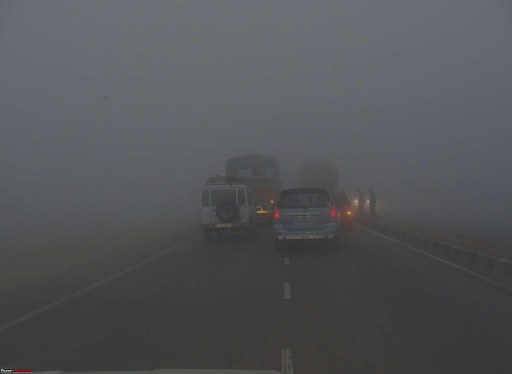
Air pollution is often associated with respiratory problems, but its impact on eye health is just as serious. Daily exposure to polluted air—especially in urban environments—can lead to irritation, dryness, and even long-term eye damage.
Tiny airborne particles, toxic gases, and environmental pollutants can directly affect the delicate surface of the eyes, causing discomfort and increasing the risk of eye diseases. Understanding how air pollution damages your eyes can help you take the right steps to protect your vision.
What Is Air Pollution?
Air pollution consists of harmful substances in the air, including:
- Particulate matter (PM2.5 and PM10)
- Nitrogen dioxide (NO₂)
- Sulfur dioxide (SO₂)
- Ozone (O₃)
- Smoke, dust, and chemical pollutants
These particles are small enough to come into direct contact with the eyes, causing irritation and inflammation.
How Air Pollution Affects Your Eyes
The eyes are constantly exposed to the environment and lack strong protective barriers against airborne pollutants. As a result, pollution can affect both the outer surface and deeper eye structures
Eye Irritation and Redness
Pollutants can irritate the conjunctiva, leading to:
- Redness
- Burning sensation
- Itching
- Watering eyes
This is one of the most common effects of polluted air.
Dry Eye Disease
Air pollution disrupts the natural tear film that keeps the eyes moist and comfortable.
Symptoms include:
- Dryness
- Gritty or sandy feeling
- Blurred vision
- Eye fatigue
Long-term exposure can worsen chronic dry eye conditions.
Allergic Reactions
Pollution can trigger or worsen eye allergies, especially when combined with pollen and dust.
Common symptoms:
- Itching
- Swelling
- Watery discharge
- Sensitivity to light
Increased Risk of Eye Infections
Exposure to bacteria and harmful particles in polluted air can increase the risk of infections such as:
- Conjunctivitis (pink eye)
- Eyelid infections
Long-Term Eye Damage
Chronic exposure to polluted air may contribute to:
- Corneal damage
- Worsening of existing eye conditions
- Increased risk of degenerative eye diseases
Research suggests that prolonged pollution exposure may also affect retinal health.
Who Is Most at Risk?
Certain groups are more vulnerable to pollution-related eye problems:
- People living in highly polluted cities
- Outdoor workers (traffic police, construction workers)
- Children and elderly individuals
- Contact lens users
- People with pre-existing eye conditions
Signs Your Eyes Are Affected by Pollution
You may notice:
- Persistent redness
- Burning or irritation
- Blurred vision
- Increased sensitivity to light
- Frequent watering or dryness
If these symptoms occur regularly, environmental factors like pollution may be the cause.
How to Protect Your Eyes from Air Pollution
Wear Protective Eyewear
Use sunglasses or protective glasses to shield your eyes from dust and pollutants.
Use Lubricating Eye Drops
Artificial tears help wash away irritants and maintain moisture on the eye surface.
Avoid Rubbing Your Eyes
Rubbing can push pollutants deeper into the eye and increase irritation.
Maintain Eye Hygiene
Wash your face and eyes with clean water after exposure to polluted environments.
Limit Outdoor Exposure During High Pollution
Avoid going outside when air quality levels are poor, especially during peak traffic hours.
Use Air Purifiers Indoors
Improving indoor air quality reduces overall exposure to harmful particles.
Stay Hydrated
Proper hydration supports tear production and eye health.
When Should You See an Eye Doctor?
Consult an eye specialist if you experience:
- Persistent redness or irritation
- Severe dryness
- Eye pain
- Discharge
- Blurred vision that does not improve
Early diagnosis can prevent complications and long-term damage.
The Role of Regular Eye Exams
Routine eye exams help detect early signs of pollution-related eye damage and ensure proper treatment. Eye doctors can also recommend protective strategies based on your lifestyle and environment.
Conclusion
Air pollution is an often-overlooked threat to eye health. From irritation and dryness to long-term damage, polluted air can significantly affect your vision and comfort. Taking simple preventive measures—such as wearing protective eyewear, using lubricating drops, and limiting exposure—can help protect your eyes.
In today’s urban environment, eye care is not just about vision correction—it is also about protecting your eyes from environmental damage.

