 Trustpilot



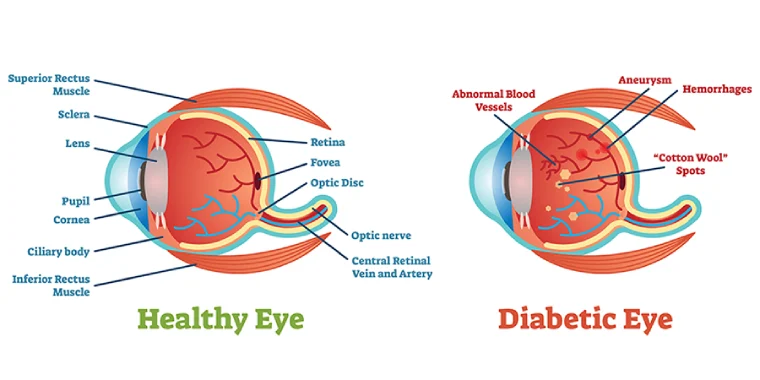
Diabetes is a chronic health condition that affects how the body processes blood sugar. While many people know that diabetes can impact the heart, kidneys, and nerves, fewer realize how significantly it can affect the eyes. Over time, high blood sugar levels can damage the delicate blood vessels in the eyes, leading to serious vision problems.
Understanding how diabetes affects eye health is essential for preventing complications and preserving long-term vision.
Why Diabetes Can Damage the Eyes
When blood sugar levels remain high for extended periods, they can weaken and damage the tiny blood vessels that supply the retina the light-sensitive tissue at the back of the eye. These vessels may leak fluid or bleed, disrupting normal vision.
Poorly controlled diabetes can also affect other parts of the eye, including the lens and optic nerve.
Common Eye Conditions Caused by Diabetes
Diabetic Retinopathy
Diabetic retinopathy is the most common eye disease associated with diabetes. It occurs when high blood sugar damages retinal blood vessels.
Early stages may not cause noticeable symptoms, but as the condition progresses, symptoms may include:
- Blurred or fluctuating vision
- Dark spots or floaters
- Difficulty seeing at night
- Vision loss in severe cases
If untreated, diabetic retinopathy can lead to permanent vision loss.
Diabetic Macular Edema
Diabetic macular edema occurs when fluid accumulates in the macula, the central part of the retina responsible for sharp vision.
Symptoms may include:
- Blurred central vision
- Distorted vision
- Difficulty reading or recognizing faces
This condition often develops as a complication of diabetic retinopathy.
Cataracts
People with diabetes are more likely to develop cataracts and may experience them at a younger age. Cataracts cause the eye’s natural lens to become cloudy, leading to blurred or dim vision.
Glaucoma
Diabetes also increases the risk of glaucoma, a condition caused by increased pressure inside the eye. Glaucoma can damage the optic nerve and lead to vision loss if untreated.
Early Symptoms to Watch For
Diabetic eye disease often develops slowly and may not cause symptoms in its early stages. However, warning signs can include:
- Blurred or fluctuating vision
- Dark spots or floaters
- Difficulty seeing at night
- Colors appearing faded
- Vision loss in advanced cases
If you have diabetes and notice any changes in vision, you should consult an eye doctor promptly.
How Eye Doctors Detect Diabetic Eye Disease
Routine eye exams play a critical role in detecting diabetic eye problems early. During a comprehensive eye examination, an eye specialist may perform:
- Visual acuity testing
- Dilated retinal examination
- Optical coherence tomography (OCT)
- Retinal photography
- Eye pressure measurement
These tests allow doctors to detect subtle changes in the retina before symptoms appear.
Treatment Options
Treatment depends on the type and severity of the eye condition.
Possible treatments include:
- Laser therapy to seal leaking blood vessels
- Intravitreal injections to reduce swelling in the retina
- Medications to control inflammation
- Vitrectomy surgery for advanced retinal damage
Early treatment can significantly reduce the risk of severe vision loss.
Preventing Diabetic Eye Damage
The best way to protect your eyes from diabetes-related complications is through proper disease management.
Helpful preventive measures include:
- Maintaining healthy blood sugar levels
- Managing blood pressure and cholesterol
- Eating a balanced diet
- Exercising regularly
- Scheduling annual comprehensive eye exams
Even when vision seems normal, regular eye exams are essential for detecting early damage.
How Often Should Diabetic Patients Have Eye Exams?
Most eye specialists recommend that people with diabetes have a comprehensive eye exam at least once a year. Individuals with existing eye problems may require more frequent monitoring.
Regular checkups allow doctors to detect changes early and begin treatment before vision is affected.
Conclusion
Diabetes can significantly impact eye health, increasing the risk of conditions such as diabetic retinopathy, macular edema, cataracts, and glaucoma. Because these problems often develop without early symptoms, routine eye examinations are essential for protecting vision.
By managing blood sugar levels and scheduling regular eye exams, people with diabetes can reduce the risk of vision loss and maintain healthy eyesight.

