 Trustpilot



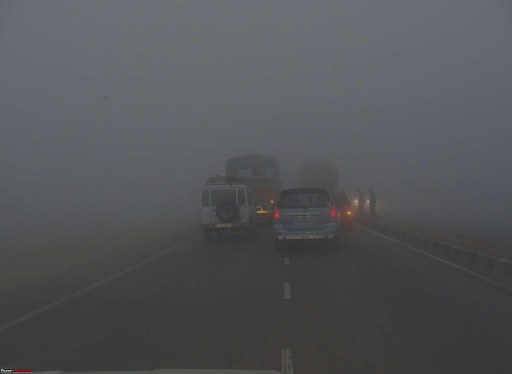
Foggy weather can significantly reduce visibility, making it difficult to see clearly—especially while driving or navigating outdoors. While fog primarily affects environmental visibility, it can also impact how your eyes function and perceive contrast, light, and depth.
Understanding how fog affects vision can help you stay safe and protect your eyes during low-visibility conditions.
What Is Fog and Why Does It Reduce Visibility?
Fog is a dense collection of tiny water droplets suspended in the air near the ground. These droplets scatter light in different directions, making it harder for your eyes to focus clearly on objects.
Unlike clear air, fog creates a diffused light environment, reducing contrast and clarity.
How Foggy Weather Affects Your Vision
Reduced Contrast Sensitivity
Fog decreases the contrast between objects and their background. This makes it difficult to distinguish shapes, edges, and distances.
Impact:
- Objects appear faded or washed out
- Difficulty identifying road signs or obstacles
- Increased eye strain
Blurred and Hazy Vision
Light scattering in fog creates a blurred visual effect, similar to looking through a translucent screen.
Result:
- Reduced sharpness of vision
- Difficulty focusing on distant objects
- Slower visual response time
Glare and Light Scattering
Fog amplifies glare from headlights, streetlights, and other light sources. This can be particularly problematic at night.
Effects include:
- Halos around lights
- Increased brightness discomfort
- Temporary visual impairment
Impaired Depth Perception
Fog can distort your ability to judge distances accurately.
Challenges:
- Misjudging how far away objects are
- Difficulty estimating speed and distance while driving
- Increased risk of accidents
Increased Eye Strain
Your eyes work harder to focus in foggy conditions, which can lead to fatigue.
Symptoms:
- Tired eyes
- Headaches
- Difficulty concentrating visually
Why Fog Affects Some People More Than Others
Certain individuals may experience more difficulty in foggy conditions:
- People with refractive errors (myopia, astigmatism)
- Individuals with cataracts (increased glare sensitivity)
- Older adults with reduced contrast sensitivity
- People with dry eye disease
- Drivers at night
Pre-existing eye conditions can worsen visual discomfort in fog.
Safety Tips for Foggy Conditions
While Driving
- Use low-beam headlights (high beams increase glare)
- Reduce speed and maintain safe distance
- Avoid sudden movements
- Keep your windshield clean
For Eye Comfort
- Blink regularly to keep eyes moist
- Use lubricating eye drops if needed
- Wear anti-reflective glasses
- Avoid prolonged exposure in dense fog
Can Fog Cause Long-Term Eye Damage?
Fog itself does not directly damage the eyes. However:
- Prolonged exposure to polluted fog (smog) may irritate the eyes
- Increased strain can worsen existing eye conditions
- Reduced visibility increases accident risk
The main concern is temporary visual impairment and safety, not permanent damage.
When Should You See an Eye Doctor?
If you notice persistent vision problems even in normal conditions, consult an eye specialist. Warning signs include:
- Frequent blurred vision
- Difficulty seeing at night
- Increased sensitivity to glare
- Eye strain or headaches
These may indicate underlying eye conditions that require treatment.
How to Improve Vision in Low-Visibility Conditions
- Keep your eyeglass prescription up to date
- Use anti-glare or anti-reflective lenses
- Maintain good eye hydration
- Schedule regular eye exams
- Avoid driving if visibility is extremely poor
Conclusion
Foggy weather can significantly affect vision by reducing contrast, increasing glare, and impairing depth perception. While it does not directly harm the eyes, it can cause discomfort and increase safety risks especially while driving.
By understanding how fog impacts vision and taking simple precautions, you can protect your eyesight and stay safe in low-visibility conditions.

